Mutombo Coffee Review 2026: Is This NBA Brew Worth It?

Most celebrity coffee brands are merch with caffeine in it. A name on a bag, a lifestyle photo, and beans sourced from wherever the margin worked out. This Mutombo Coffee review exists because this brand is not that.
Built on the legacy of NBA Hall-of-Famer Dikembe Mutombo, this specialty coffee sources from women-led farms across Latin America and Africa, roasts out of New Orleans, and runs on a four-pillar philosophy called the 4Cs. The flavour doesn't lie — and neither does what follows.
Here's everything you need to know before you buy.
Mutombo Coffee at a Glance
| Detail | Info |
|---|---|
| Brand Founder | Dikembe Mutombo (NBA Hall of Famer) |
| Year Launched | 2020 |
| Headquarters | New Orleans, Louisiana |
| Bean Sourcing | Women-led farms, Latin America & Africa |
| Coffee Category | Specialty / Premium |
| Brand Philosophy | The 4Cs — Coffee, Community, Culture, Commerce |
| Best For | Ethical buyers, sports fans, gift shoppers |
| Where to Buy | mutombocoffee.com |
Who Is Mutombo Coffee Actually For?
Not every coffee brand is for every coffee drinker. Mutombo Coffee knows its audience, and that specificity actually works in its favour.
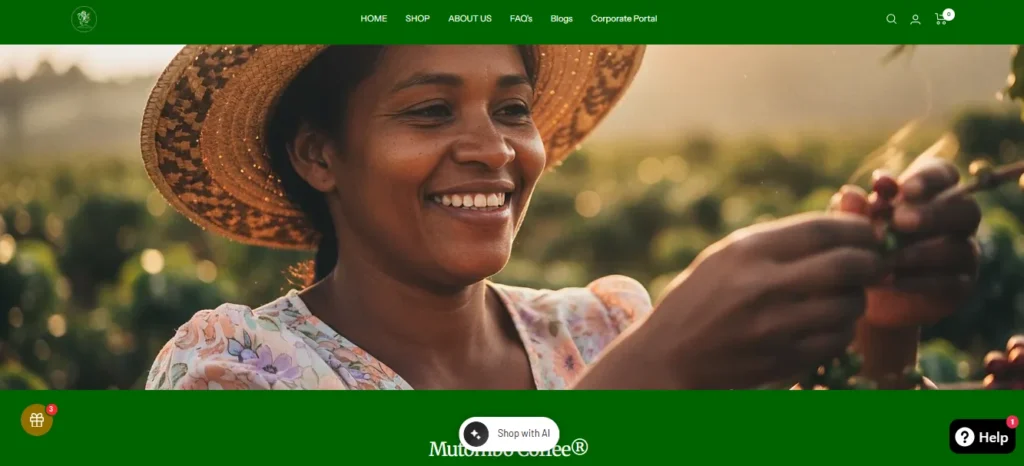
The ethical-sourcing crowd will feel most at home here. If you're the kind of person who reads the origin label before the tasting notes, the women-farmer sourcing model and community commerce structure will carry real weight. This isn't a brand that drops “sustainably sourced” as packaging filler — the supply chain is built around it.
NBA fans and sports culture followers get something that goes deeper than a signature colourway. Dikembe Mutombo's heritage, humanitarian history, and Congolese roots are woven into the brand's identity at every level. The connection to him is genuine, not cosmetic.
Gift shoppers looking for something with a story — holiday bundles, office gifting, thoughtful presents for people who have everything — this is a strong answer. A specialty coffee bag with a Hall-of-Famer's name, traceable sourcing, and a clean design aesthetic does a lot of the explaining on its own.
The Brand Story Behind Mutombo Coffee
From the NBA Paint to the Morning Cup
Dikembe Mutombo spent two decades in the NBA blocking shots. His humanitarian work — hospitals, foundations, community development across the Democratic Republic of Congo — was equally significant. The coffee brand draws from both sides of that legacy. It's not a retirement project. It's a continuation.
Why the Brand Launched in 2020
The 2020 launch was deliberate in its timing. People were home, brewing more coffee than ever, and paying attention to where their money was going. Mission-led brands gained significant traction that year. Mutombo Coffee stepped into a market that was already asking the right questions.
The 4Cs — What It Actually Means
Coffee. Community. Culture. Commerce. The 4Cs philosophy isn't marketing language — it's a structural framework. Great-tasting beans, direct economic support for farming communities, cultural identity rooted in Africa and the diaspora, and a business model designed to sustain itself long-term.
The idea is that none of those four pillars works without the others. In practice, that shows up in how the supply chain is built and where the revenue flows.
Where Mutombo Coffee Sources Its Beans
Latin American Sourcing
The Latin American beans are high-altitude arabica — the kind grown above 1,400 metres where cooler temperatures slow the cherry development and build density and acidity. Expect brightness, stone fruit, and clean finishes. These are the beans that make the signature blends approachable and consistent.
African Sourcing
The African origins bring more complexity. Floral top notes, red berry, occasionally wine-like fermented edges on the naturals. The body is fuller here, and the flavour holds up through most brew methods without needing a precise setup to taste it properly. There's a whole story in this cup — the terroir is doing something that Latin American origins typically don't.
The Women-Farmer Model
The sourcing model is structured to channel premium pricing back to women-led farming cooperatives. That's not a seasonal campaign. It's built into how the supply chain operates. Better processing infrastructure, more consistent income, fairer pricing at the farm gate — these things have a direct effect on cup quality over time. The people who grew this deserve credit. And the flavour actually reflects that investment.
Transparency & Certifications
The brand leans on direct-trade relationships rather than a wall of third-party certifications. Check the current product pages for specific seals and accreditations, as these are updated over time. The trade story, however, holds up independently of the paperwork.
Mutombo Coffee Full Product Lineup
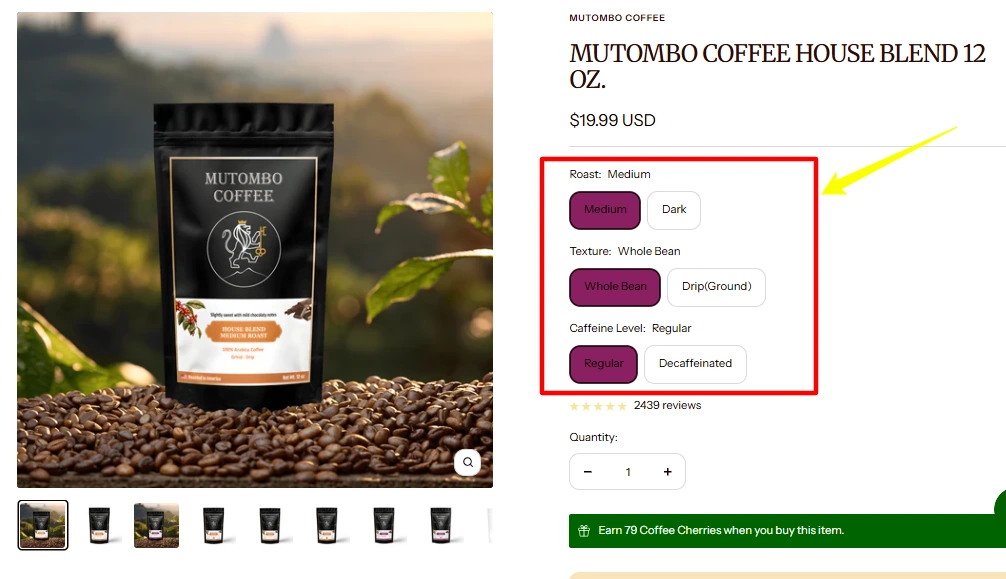
Roast Categories
Format Options
Gift Sets and Bundles
Branded bundles and gift-ready packaging are available seasonally. If you're buying for someone else, these do the presentation work for you without needing additional wrapping or explanation.
Tasting Notes — What Each Cup Actually Delivers
The medium signature blend is the headline act. It tastes like dark chocolate and brown sugar with a quiet orange peel finish. Clean from start to end. No harsh edges, no muddy aftertaste. It's the kind of everyday coffee that doesn't demand attention but rewards it.
The dark roast sits in burnt caramel and tobacco territory — deep without crossing into smoky bitterness. It holds its own through milk and sugar without disappearing, which matters for espresso-based drinks. The light roasts run jasmine and red berry on a good pour-over. Bright, clean, slightly floral.
Recommended Brew Methods by Roast
| Roast Level | Best Method | Key Ratio | Water Temp |
|---|---|---|---|
| Light | Pour-over, AeroPress | 1:16 | 94–96°C |
| Medium | Drip, French press, AeroPress | 1:15 | 92–94°C |
| Dark | Espresso, moka pot, cold brew | 1:12 concentrate | 90–92°C |
Cold brew with the dark roast at a 1:8 ratio, steeped 18–20 hours cold, produces a concentrate that holds up well with milk. Not the most complex cold brew you'll make — but smooth and consistent.
Mutombo Coffee Pricing and Subscription Options
Mutombo Coffee sits comfortably in the specialty tier — above grocery store brands, roughly level with Counter Culture, marginally below Stumptown and Blue Bottle per ounce. For the sourcing quality and roast consistency on offer, it's competitively priced.
The auto-ship subscription typically saves 10–15% over single-purchase pricing. If you're working through a 12oz bag every two weeks, that saving stacks up quickly. The subscription also tends to get priority access to new releases before they go to general inventory.
Office programme and bulk order options are available through the brand directly. For workplaces with sourcing or DEI-aligned procurement priorities, the brand alignment makes this a straightforward pitch to a buying team.
Collabs, Partnerships, and Community Reach

The brand has built working relationships with universities, NBA-adjacent organisations, and city-level cultural institutions — particularly those connected to the African diaspora community. Select independent cafés and specialty retailers carry Mutombo Coffee in-store regionally.
A portion of proceeds from key products feeds into humanitarian initiatives tied to Mutombo's broader charitable work. This isn't a one-off collab structure. The partnership layer is cumulative and keeps growing alongside the brand's reach.
Mutombo Coffee Pros and Cons
What Mutombo Coffee Gets Right:
Where It Has Room to Grow:
Who Should Look Elsewhere
If you are purely price-shopping and the sourcing story holds no weight for you, you will find cheaper specialty options elsewhere. This brand is built for buyers who want both the cup and the cause to pay off. If you only want one of those things, the value calculation changes.
How Mutombo Coffee Stacks Up Against Competitors
| Brand | Price Tier | Sourcing Model | Roast Depth | Best Suited For |
|---|---|---|---|---|
| Mutombo Coffee | $$ | Women-led farms, LATAM + Africa | Light to Dark | Mission + quality buyers |
| Stumptown | $$$ | Direct trade | Medium–Dark | Espresso-focused drinkers |
| Blue Bottle | $$$ | Single-origin, curated | Light–Medium | Pour-over enthusiasts |
| Counter Culture | $$ | Full transparency reports | Wide range | Data-driven buyers |
| Intelligentsia | $$$ | Direct trade since 1995 | Light–Medium | Light roast specialists |
Mutombo Coffee's closest match on both price and sourcing ethos is Counter Culture. The differentiator is cultural depth and the women-farmer model — Counter Culture wins on raw transparency data, Mutombo wins on narrative and identity. Pick the priority that matters to you.
What Real Customers Are Saying
Across verified buyer reviews and social channels, the consistent positives are smoothness, the social impact angle, and how well the brand translates as a gift. Buyers who return do so primarily for the medium and dark roasts.
The criticisms that come up most often are shipping speed, the speed at which limited drops sell out, and occasional stock gaps on popular SKUs. A handful of negative reviews centre on price expectations — buyers comparing it to non-specialty supermarket coffee rather than the specialty tier it sits in. That comparison doesn't hold up fairly.
On Instagram and TikTok, organic traction comes primarily from Black-owned business advocates, sports culture communities, and specialty coffee crossover audiences. The brand doesn't rely on heavy paid placement to maintain that presence.
How to Brew Mutombo Coffee Properly
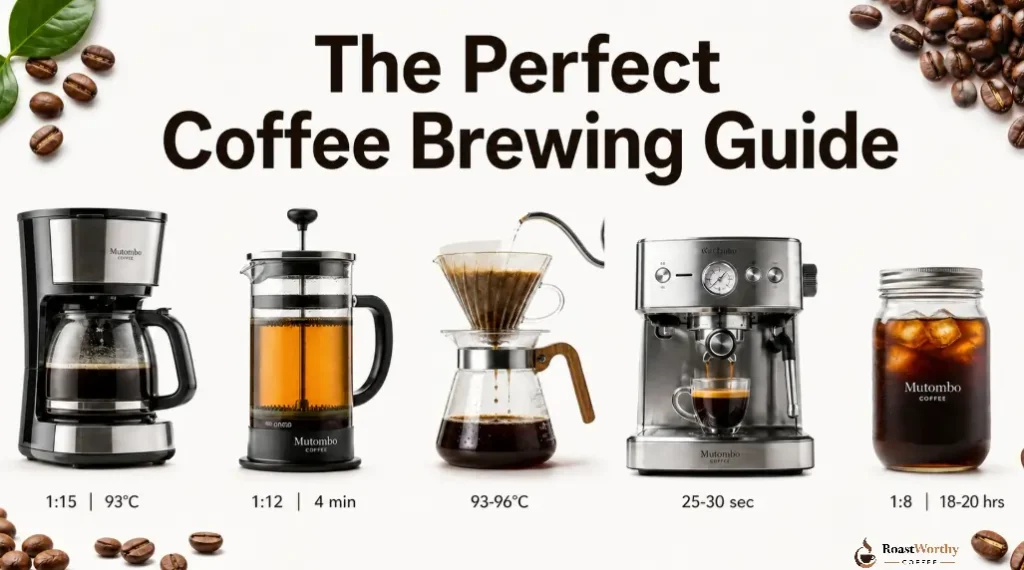
You don't need an expensive setup. You need the right ratios and the right temperature.
For drip or auto-drip: Medium grind, 1:15 ratio, water at 93°C. Standard and repeatable.
For French press: Coarse grind, 1:12 ratio, four-minute steep, plunge slow. The medium roast performs particularly well here.
For pour-over: Medium-fine grind, slow pour in 30-second intervals, 93–96°C. The African single-origins are built for this method.
For espresso: Fine grind, 9 bars of pressure, 25–30 second extraction, dark roast recommended. It pulls cleanly without the bitterness common in darker specialty roasts.
For cold brew: Coarse grind, 1:8 ratio for concentrate, 18–20 hours in cold water. The dark roast concentrate is the strongest performer here. Taste it. Write it down. Roast it again — if you're home roasting green beans sourced from similar cooperatives.
Where to Buy Mutombo Coffee
The best option is always mutombocoffee.com directly. Full product access, subscription discounts, loyalty rewards, and early access to limited drops. You also cut out the margin loss that third-party platforms absorb.
Amazon and third-party listings exist but carry caveats. Pricing fluctuates, subscription savings disappear, and stock authenticity is harder to verify. If buying from third parties, check the roast date carefully — specialty coffee degrades fast and stale bags are a common complaint in third-party channels.
Physical stockists exist regionally. The brand website carries the most accurate and up-to-date list of in-store retail partners.
Gifting Mutombo Coffee — Occasions and Options
This is one of the stronger gift coffee brands on the market right now, and it's not close. The combination of NBA heritage, African farming roots, and a documented social mission gives every bag a story that a standard gift card simply cannot match.
FAQs: Pricing, Shipping, Roast Levels, and More
Is Mutombo Coffee owned by Dikembe Mutombo?
Yes. The brand was founded by Dikembe Mutombo and is tied directly to his personal legacy, humanitarian mission, and Congolese heritage. It is not a licensing arrangement — his involvement is foundational.
Is Mutombo Coffee fair-trade certified?
The sourcing model is built around ethical direct-trade principles with women-led cooperatives. Specific third-party certification details are listed on current product pages, as these are periodically updated.
Where are the beans roasted?
Mutombo Coffee roasts in New Orleans, Louisiana, where the brand is headquartered.
Does Mutombo Coffee ship internationally?
The primary shipping market is the United States. Check the website for current international availability, as this has been updated over time.
What is the shelf life after opening?
Whole bean coffee holds peak flavour for three to four weeks in an airtight container away from light and heat. Pre-ground is best used within one to two weeks of opening for optimal taste.
Which roast works best for espresso?
The dark roast. It's built for pressure extraction and holds its flavour through milk-based drinks without turning bitter or flat.
How does each purchase support women farmers?
The supply chain is structured to source from women-led farming cooperatives in Latin America and Africa, routing premium market pricing back to those growers. It's not a donation model — it's a trade structure designed to pay farmers properly at the source.
What happened to the brand after Dikembe Mutombo's passing?
The brand continues to operate in line with its founding mission, honoring the legacy and humanitarian commitments Mutombo built into the brand from the start.
Final Verdict: Is Mutombo Coffee Worth It
| Factor | Score |
|---|---|
| Taste Quality | ⭐⭐⭐⭐½ |
| Sourcing & Ethics | ⭐⭐⭐⭐⭐ |
| Value for Money | ⭐⭐⭐⭐ |
| Roast Variety | ⭐⭐⭐½ |
| Gifting & Packaging | ⭐⭐⭐⭐⭐ |
| Overall | 7.8 / 10 |
Mutombo Coffee earns its place in the specialty tier. The medium roast is genuinely good — not “good for a mission brand,” just good. The sourcing model is structural, not decorative. And the brand carries a cultural weight that most specialty names simply can't replicate.
Let's be honest: there are roasters with deeper single-origin catalogues and wider retail availability. But for the combination of cup quality, ethical sourcing, brand story, and gifting potential, this one earns its price. I've had worse. Much worse. ☕
Shop the full lineup directly at mutombocoffee.com.