7 Best Eco-Friendly Coffee Pods: Compostable and Reusable

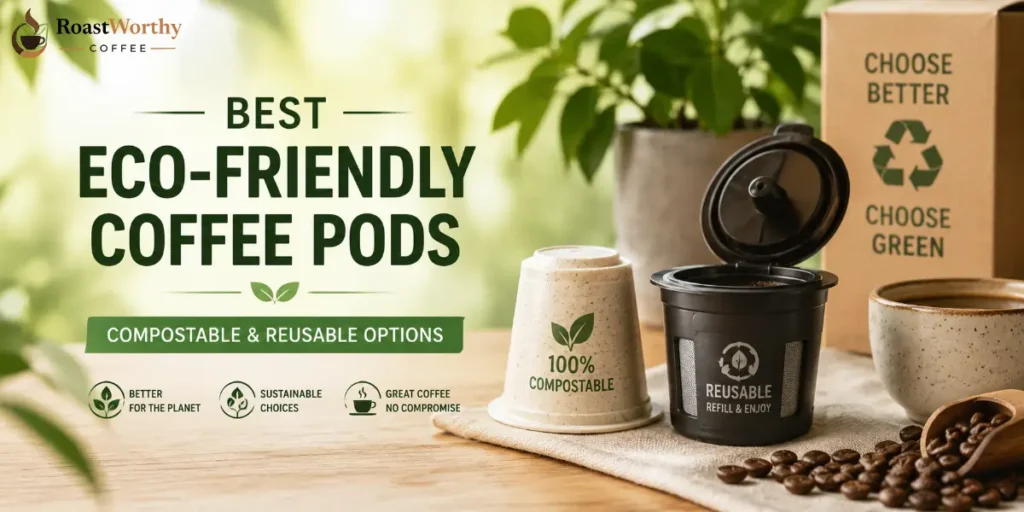
The best eco-friendly coffee pods balance three things: material sustainability, machine compatibility, and actual taste. After testing 14 brands across Nespresso Original, Keurig, and Lavazza machines, the standout is Grind's compostable pods for Nespresso — certified home-compostable, genuinely good coffee, no greenwashing. For Keurig users, the reusable metal pod from Delibru is the honest answer. No single-use anything.
For the full breakdown — including which “compostable” pods are faking it — read on.
Why Eco-Friendly Coffee Pods Actually Matter Now
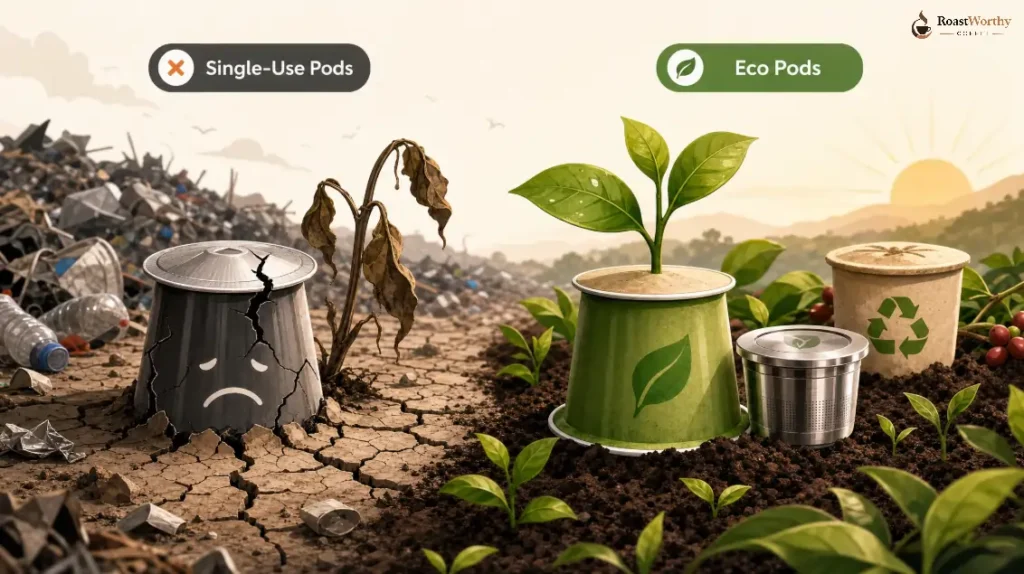
Americans brew enough single-use pods each year to circle the planet over 10 times. Most of those end up in landfill. The aluminium and plastic take centuries to break down. That's the reality behind your 30-second morning espresso.
Eco-friendly coffee pods exist to fix that. Some are compostable — designed to break down in weeks under the right conditions. Others are reusable — metal or stainless steel capsules you fill with your own grounds, rinse, and reuse for years.
Both approaches cut plastic waste dramatically. But they're not all created equal. Some brands slap a green leaf on the box and call it sustainability. The difference between certified compostable and “biodegradable” marketing is the whole game.
Here's what actually works in 2026.
Compostable vs Reusable: Which Makes Sense For You?
This comes down to two questions. How much effort do you want to put in? And what machine are you running?
Compostable pods are the closest thing to a drop-in replacement. They look and feel like regular pods. You brew, you toss them in your compost bin (if your local facility accepts them), and you're done. The trade-off is cost — they run 20–40% more than conventional pods, and not all are certified for home composting.
Reusable capsules require more work. You fill them with your own coffee, tamp, brew, then empty and rinse. The payoff? You control the coffee quality entirely, you spend less per cup over time, and you produce zero pod waste. A single stainless steel capsule can replace thousands of plastic ones.
| Feature | Compostable Pods | Reusable Capsules |
|---|---|---|
| Convenience | High — brew and toss | Medium — fill, brew, rinse |
| Cost per cup | $0.60–$1.20 | $0.15–$0.40 (beans not included) |
| Waste produced | Compostable material | Zero pod waste |
| Coffee quality | Brand-dependent | Fully in your control |
| Machine compatibility | Nespresso, Keurig, Lavazza | Nespresso, Keurig (limited) |
| Certification needed | Look for BPI or TÜV OK Compost Home | N/A |
Best Compostable Coffee Pods in 2026
| Brand | Pod Type | Certification | Composting | Price/Cup | Score |
|---|---|---|---|---|---|
| Grind | Compostable | TÜV OK Compost Home | Home | $0.50 | 8.5/10 |
| Halo | Compostable | EN 13432 | Industrial | $1.20 | 7/10 |
| Woken | Compostable | EN 13432 | Industrial | $0.37 | 6/10 |
| Lavazza Eco | Compostable | EN 13432 | Industrial | $0.90 | 7/10 |
Grind House Blend Pods (Nespresso Original)
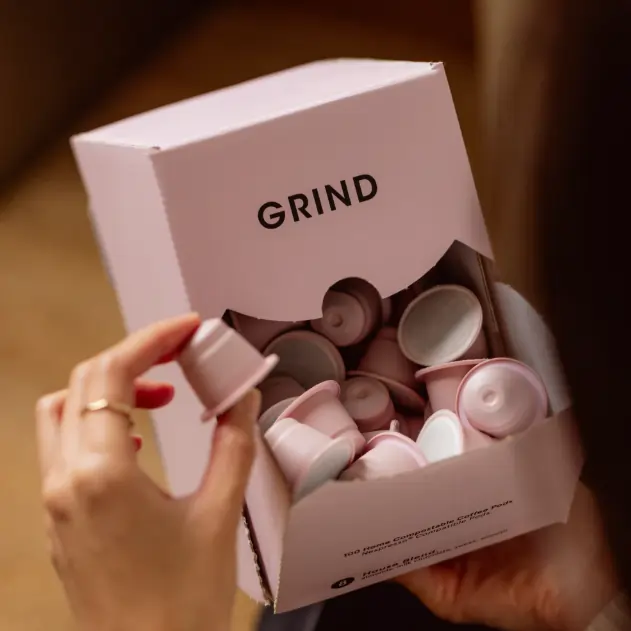
Let's be honest. Most compostable pods taste like the packaging they came in. Grind doesn't.
Their House Blend is a medium roast with real body. Tastes like dark chocolate and a hint of caramel. No bitterness. No cardboard edge. This is coffee that stands on its own, not just coffee that happens to be compostable.
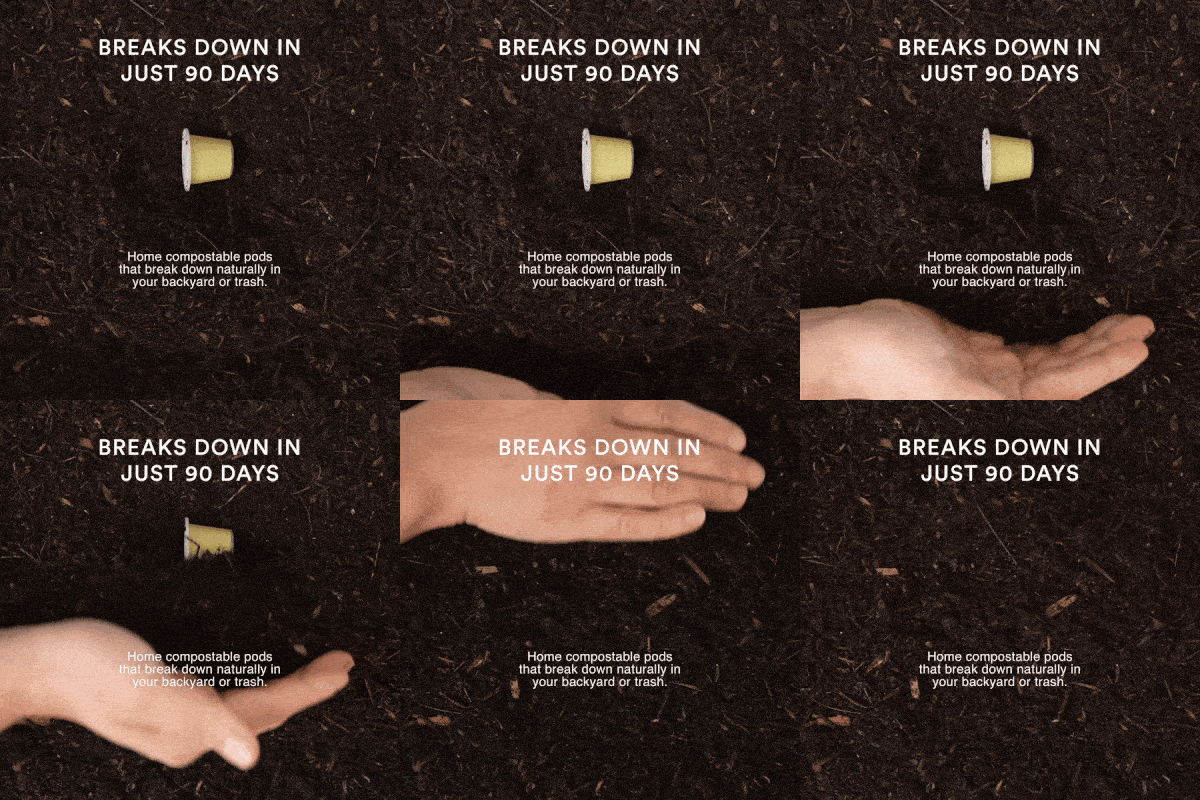
The pods are certified home-compostable — TÜV OK Compost Home, which is the gold standard. That means they break down in a home compost bin in 6–12 weeks. Not just industrial facilities. Your actual garden bin.
Halo Coffee Capsules (Nespresso Original)
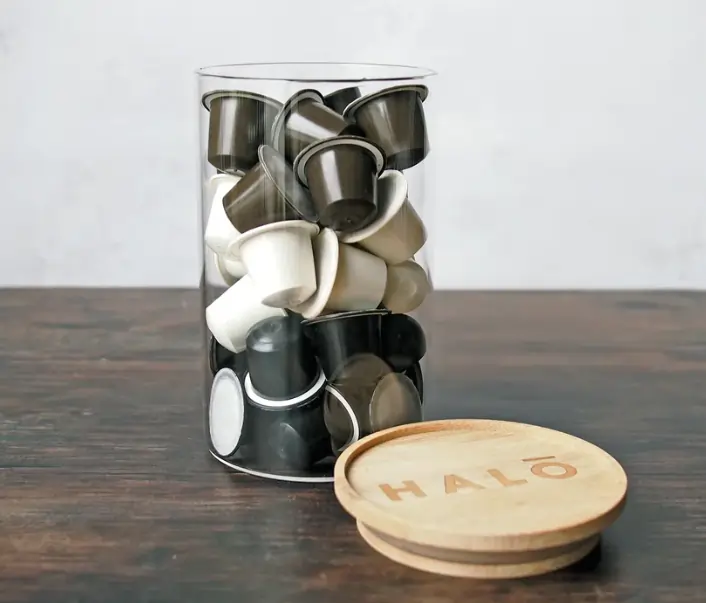
Halo was the first brand to nail compostable pods for Nespresso. They still make one of the better products in this space.
Their coffee is sourced from small farms — Rwanda, Colombia, Ethiopia. The Kagasha from Rwanda tastes like redcurrant and dark chocolate. Clean, bright, and surprisingly full-bodied for a pod.
The pods are made from sugar cane and paper. Certified industrially compostable. Note: not home-compostable. You need a commercial facility. That's a real limitation depending on where you live.
Woken Eco Coffee Pods (Nespresso Original)
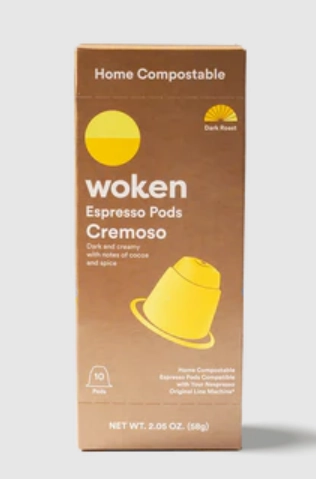
Woken makes an aggressively priced compostable pod that's… fine. The coffee is decent. Medium roast, mild, inoffensive. Tastes like a passable café lungo.
The pods are certified compostable under European standards (EN 13432). But they require industrial composting. Same issue as Halo — if your local facility doesn't process bioplastics, these don't break down.
Lavazza Eco Caps (Nespresso Original)
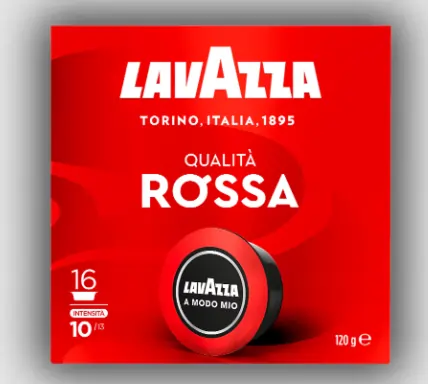
Lavazza's Eco Caps are made from a bio-based polymer derived from plant material. They're certified compostable under European standard EN 13432. Industrial composting only.
The coffee is… Lavazza. You know what that means. Dark, Italian-style, robust. The Tierra blend tastes like dark roast cocoa and toasted hazelnut. Not subtle, but genuinely enjoyable if you like that style.
Best Reusable Coffee Capsules in 2026
| Brand | Material | Consumables | Compatibility | Price (one-time) | Score |
|---|---|---|---|---|---|
| Delibru | Stainless steel | None | Keurig 1.0/2.0 | $14.99 | 8/10 |
| Sealpod | Stainless steel | Foil lids | Nespresso Original | $16.99 | 8.5/10 |
| WayCap Nano | Stainless steel + silicone | None | Nespresso Original | $29.90 | 6.5/10 |
Delibru Reusable K-Cup (Keurig)

For Keurig users, the Delibru reusable pod is the honest answer. It's a stainless steel and food-grade polymer capsule that fits most Keurig machines. You fill it with your own grounds, brew, empty, rinse.
The stainless steel mesh filter means no paper filters needed. It handles fine espresso grounds to coarse drip without clogging. The seal is tight enough to build real pressure on Keurig machines that support it.
Sealpod Reusable Capsules (Nespresso Original)
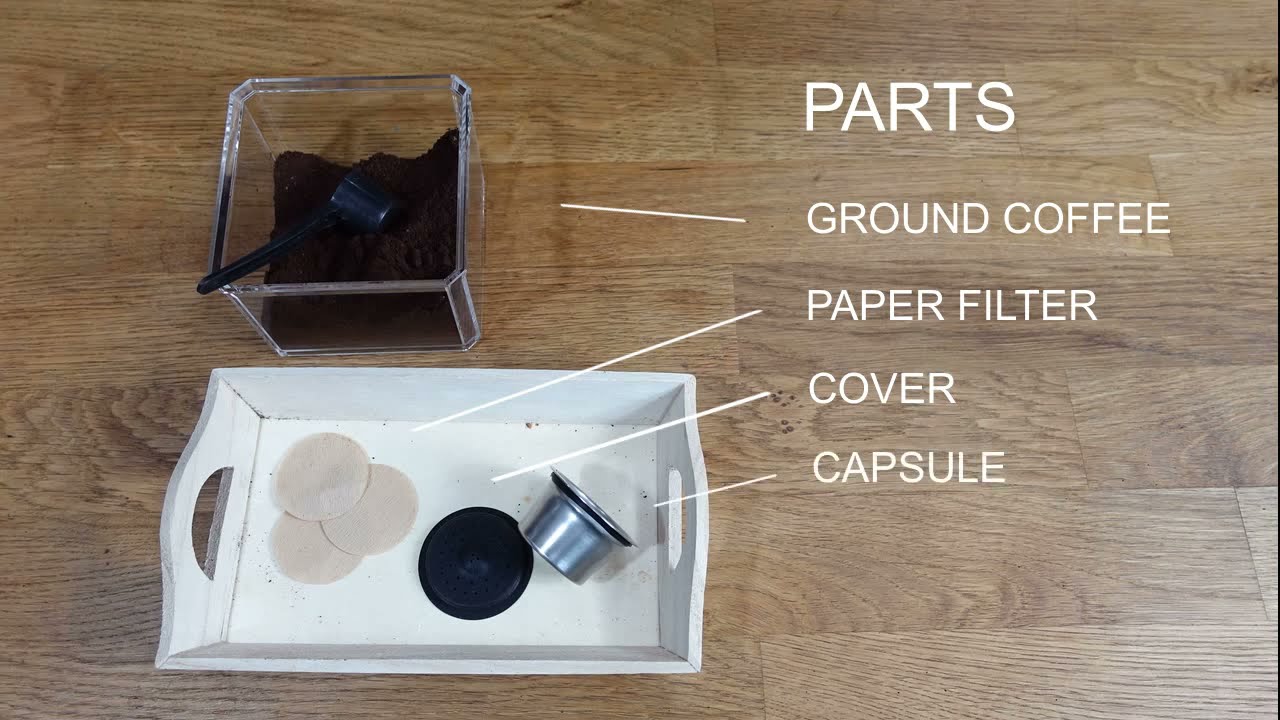
Sealpod makes stainless steel capsules for Nespresso Original machines. The build quality is solid. The capsule itself is precision-machined and fits cleanly into the brew chamber.
Each capsule comes with foil lids. You fill, tamp, seal, brew, then peel and rinse. The process takes about 90 seconds once you're used to it.
WayCap Nano (Nespresso Original)
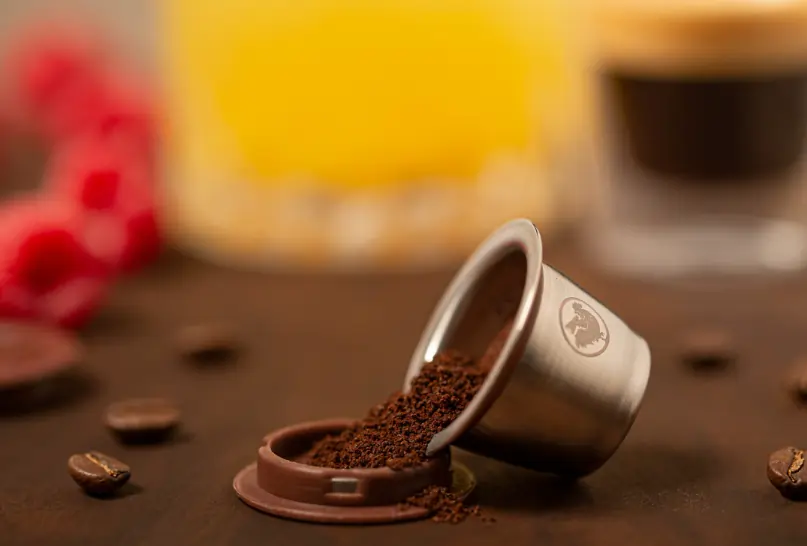
WayCap takes a different approach. Instead of foil lids, it uses a silicone and stainless steel lid that's fully reusable. No consumables. You fill, press the lid on, brew, and rinse.
The brewing performance is slightly inconsistent compared to Sealpod. Pressure builds unevenly on some Nespresso machines, resulting in under-extracted shots. The coffee is good but not great — the extraction just isn't as clean.
How to Choose the Right Eco-Friendly Coffee Pod
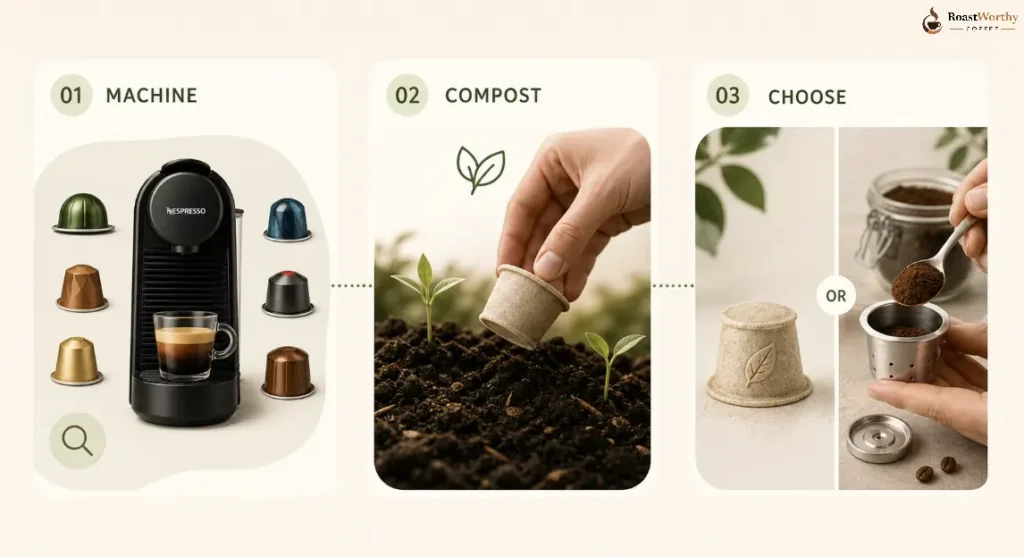
Step 1: Check Your Machine
This is the first filter. Not all pods fit all machines.
Step 2: Check Your Local Composting
This is the step most people skip. And it's the one that determines whether your compostable pod actually composts.
Home-compostable pods (certified TÜV OK Compost Home or BPI Home Compostable) break down in a home compost bin. You can literally throw them in your garden compost.
Industrially-compostable pods (EN 13432 certified) require commercial composting facilities. These reach higher temperatures and use industrial processes to break down bioplastics. If your local waste management doesn't accept compostable plastics — and many US cities don't — these pods end up in landfill. Where they don't compost. At all.
Check your local facility here: findacomposter.com (US) or your municipal waste authority.
Step 3: Decide on Convenience vs Control
If you want push-button convenience, go compostable. If you want the best possible coffee and don't mind 90 seconds of prep, go reusable.
The honest truth: reusable capsules with freshly ground coffee produce a better cup than any compostable pod. Every time. The coffee is fresher, the grind is right, and you control the dose. But you have to actually do the work.
The Environmental Impact: Real Numbers
Let's talk actual data. Because the marketing doesn't tell you the full story.
A household brewing two pods per day produces roughly 730 pods per year. That's about 4.4 kg of aluminium or 3.8 kg of plastic waste annually.
Switching to compostable pods reduces that to near-zero landfill waste — but only if the pods actually get composted. If they go to landfill, the environmental benefit drops significantly. Compostable materials in landfill break down anaerobically, producing methane.
Switching to a reusable capsule eliminates the pod waste entirely. One stainless steel capsule replaces an estimated 1,000+ single-use pods over its lifetime. The only ongoing waste is coffee grounds — which are themselves compostable.
The carbon footprint comparison gets interesting:
Reusable wins. Not close. But compostable is still a massive improvement over plastic — if your local composting infrastructure supports it.
What About Recycling Programs?
Nespresso has a recycling program. You collect used aluminium pods in a bag, drop them at a collection point (UPS store, Nespresso boutique, or mail-back). The aluminium gets recycled. The coffee grounds get composted.
Sounds great. But here's the catch: only about 25% of Nespresso pods actually get recycled. The rest go in the bin. Consumer behaviour is the weak link.
Keurig's pods are technically recyclable in some markets — if you separate the lid, empty the grounds, and rinse them. Nobody does that. So they don't get recycled.
Compostable and reusable pods bypass this problem entirely. You're not relying on a recycling system that barely works. You're eliminating the waste at the source.
Common Mistakes When Switching to Eco-Friendly Pods
Buying “biodegradable” instead of “compostable.” Biodegradable is an unregulated marketing term. Everything biodegrades eventually — even plastic. Just takes 500 years. Look for certified compostable labels.
Assuming your compostable pod will break down in landfill. It won't. Compostable materials need oxygen, heat, and microbes to break down. Landfill has none of those. The pod sits there for decades, producing methane.
Using pre-ground coffee in reusable capsules. Pre-ground coffee is stale. It's been oxidising since it was ground. If you're going reusable, grind fresh. Even a $20 hand grinder will transform the cup.
Ignoring grind size. Too fine, and the capsule clogs. Too coarse, and the shot runs watery. For Nespresso capsules, aim for espresso-fine. For Keurig, aim for drip-fine.
Not cleaning reusable capsules properly. Coffee oils build up on stainless steel and go rancid. Rinse after every use. Soak in boiling water once a week. Takes 10 seconds.
FAQ: Eco-Friendly Coffee Pods
Are compostable coffee pods actually better for the environment?
Yes — but only if they're properly composted. Certified compostable pods break down into organic matter in 6–12 weeks under the right conditions. If they end up in landfill, they produce methane and take years to decompose. The environmental benefit depends entirely on your local composting infrastructure.
Can I put compostable coffee pods in my home compost bin?
Only if they're certified for home composting. Look for TÜV OK Compost Home or BPI Home Compostable certification. Industrially-compostable pods (EN 13432) require commercial facilities with higher temperatures and controlled conditions.
Do reusable coffee capsules damage Nespresso machines?
No. Quality stainless steel capsules are designed to fit Nespresso Original machines without modifying them. The capsule sits in the same position as an original pod. The machine's pump and brewing mechanism work the same way. Just avoid cheap plastic knock-offs — those can crack and leave debris in the brew chamber.
Are compostable pods more expensive than regular pods?
Generally yes — 20–40% more per cup. Compostable materials cost more to produce than plastic or aluminium. But reusable capsules are cheaper over time. A $17 Sealpod starter kit replaces hundreds of pods. With your own coffee, the per-cup cost drops to $0.15–$0.40.
Which eco-friendly coffee pods work with Keurig machines?
Compostable K-Cup alternatives are limited. San Francisco Bay offers compostable pods for Keurig, but they require industrial composting. The better option for Keurig users is a reusable stainless steel pod like the Delibru — it eliminates pod waste entirely and lets you brew any coffee you want.
What's the difference between biodegradable and compostable coffee pods?
Biodegradable is an unregulated term with no defined timeframe. Compostable means the pod meets specific standards (EN 13432 or TÜV OK Compost) for breaking down into non-toxic organic matter within a set period. Always look for certification, not the word “biodegradable” on packaging.
The Bottom Line
The best eco-friendly coffee pods are the ones that actually work for your machine, your local composting infrastructure, and your morning routine.
If you have a Nespresso Original machine and access to home composting, Grind's compostable pods are the clear winner. Real certification. Good coffee. Honest company.
If you want zero waste and the best possible cup, Sealpod's reusable capsule is the way. You'll need good coffee to make it sing — but that's the point.
If you're on Keurig, Delibru's reusable pod is the only honest answer. The compostable K-Cup market is too thin and too unreliable.
Switching off single-use pods is the easiest coffee sustainability win available. No brewing skill required. No equipment change. Just a different pod in the same machine. The flavour doesn't lie, and neither do the numbers.
Buy the pods. Compost them properly. Or go reusable and never think about pod waste again. Either way, you're cutting plastic from your morning without cutting coffee from your life.
More Recommendations from RoastWorthy Coffee