Trade Coffee Review 2026: Is It the Best Coffee Subscription?

Trade is not a coffee roaster. It is a coffee marketplace with a matching system attached.
You answer a coffee quiz, choose a plan, and receive freshly roasted coffee from independent American roasters.
That setup makes Trade unusually useful. It also creates a few problems.
This Trade Coffee Review covers quality, freshness, pricing, quiz accuracy, delivery, and subscription controls. Is Trade the best coffee subscription for most people in 2026?
For many home brewers… yes. Not everyone.
Quick Verdict on Trade Coffee Review
It is the best all-round specialty coffee subscription for drinkers who want variety without researching dozens of roasters.
The coffee quiz is easy. The selection is huge. Bags are roasted to order and shipped directly from partner roasters.
The weak point is value. Premium bags can cost more than buying directly from a trusted local roaster.
Roastworthy may earn a commission through selected links. That never changes the score or verdict.
What Is Trade Coffee?
Trade connects drinkers with independent coffee roasters across the United States.
It does not roast coffee in one warehouse. Your selected roaster prepares the bag, prints the roast date, and ships it after roasting.
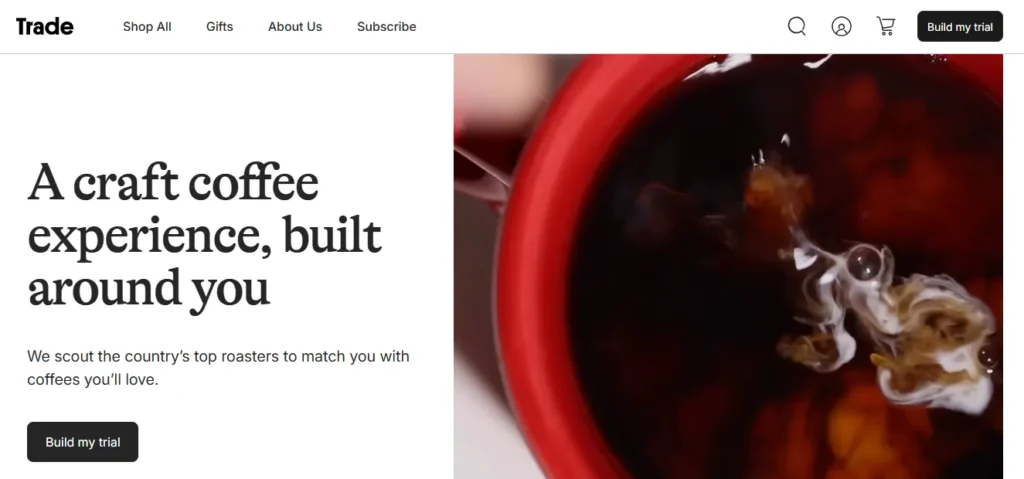
That direct-roaster model is Trade’s biggest advantage.
The catalogue covers light, medium, and dark roasts. Espresso, decaf, cold brew, whole-bean, and ground options are available.
Trade lists more than 500 coffees from 55 partner roasters. That is broader than a single-brand plan from Counter Culture or Intelligentsia.
The trade-off is consistency.
A single-roaster subscription gives you one house style. Trade moves between roasters, origins, processes, and roast approaches.
Some bags will fit your palate better than others. That is both the appeal and the risk.
How Does Trade Coffee Work?
The subscription starts with a coffee quiz.
Trade asks about your brew method, roast preference, favourite flavours, milk use, caffeine choice, and grind format. It then suggests a plan and first bag.
The process is simple:
- Complete the coffee quiz.
- Choose Classic or Premium.
- Select whole bean or ground.
- Confirm the delivery schedule.
- Receive a different coffee each shipment.
- Rate bags and adjust future choices.
Subscriptions usually begin on a two-week roasting schedule. More timing controls become available through the dashboard after the first delivery.
You can swap an upcoming coffee or repeat a previous favourite.
Trade gives beginners guidance without blocking experienced drinkers.
Some clubs hide the catalogue and send whatever the curator picks. Trade lets you accept the recommendation or take control.
Is the Trade Coffee Quiz Accurate?
Yes… within limits.
The quiz separates chocolate-heavy dark-roast drinkers from people chasing floral, acidic light roasts. It also asks how you brew.
That matters.
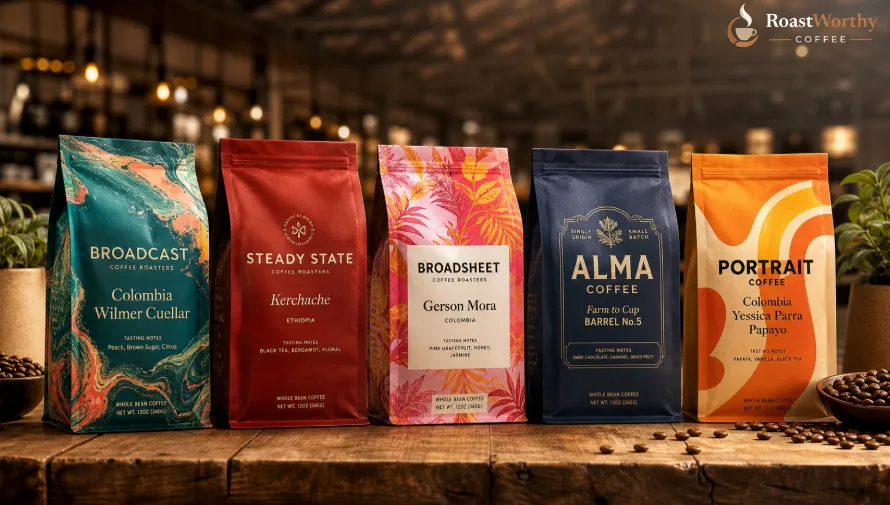
A coffee that shines in a V60 can taste thin in a super-automatic machine. A syrupy espresso blend may feel heavy as pour-over.
The quiz handles broad preferences well.
It cannot read your palate perfectly. “Fruity” may mean strawberry jam, lemon zest, dried cherry, or fermented pineapple.
Your first match may be close rather than exact.
Trade improves as you rate more bags. Those ratings give the system better information about acidity, body, roast level, and flavour direction.
Treat the first three deliveries as calibration, not prophecy.
Be honest. Giving every decent coffee five stars teaches the system nothing.
Coffee Selection: The Real Reason to Join
Trade’s catalogue is why the subscription works.
You are not choosing between four house blends. You are shopping across dozens of partner roasters with distinct styles.
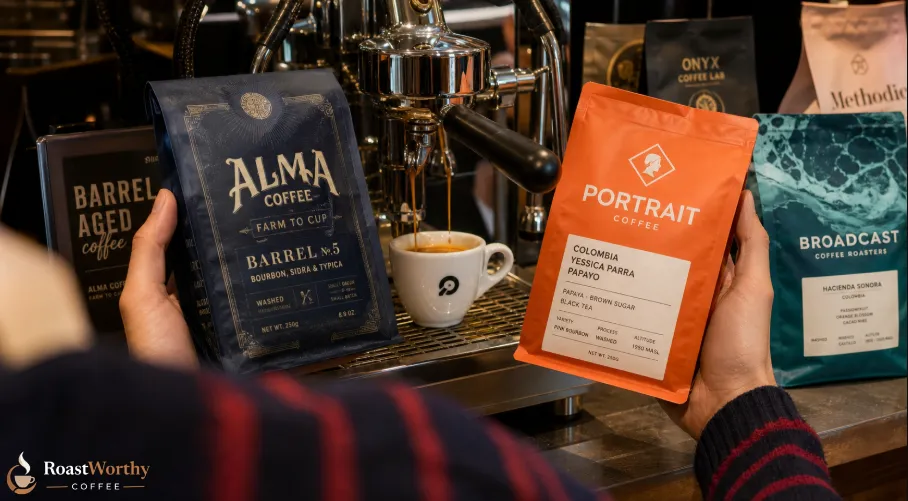
One may favour clean washed coffees and light development. Another may build round medium roasts for automatic drip machines.
Premium has the widest range. It includes light roasts, espresso, decaf, experimental processing, blends, and single-origin releases.
Classic focuses on approachable coffees. Expect more medium and dark roasts, familiar sweetness, and fewer unusual fermentations.
That does not make Classic inferior.
A clean Colombia tasting like caramel, red apple, and toasted almond can beat an over-fermented microlot any morning.
What Does Trade Coffee Taste Like?
There is no single “Trade taste.” The marketplace model makes that impossible.
The catalogue falls into several useful flavour lanes:
Single origins can show a clear regional character. A washed Ethiopian may taste like bergamot, peach, and tea.
Blends offer reliability. They are usually easier to dial in across drip machines, French presses, and espresso setups.
👉 Our Best Coffee Subscription Boxes comparison explains how Trade stacks up against more focused clubs.
Freshness, Roast Date, and Delivery
Freshness is where Trade beats supermarket coffee.
The roaster prepares each order and ships it after roasting. Roasted orders are sent within 48 hours through USPS Ground Advantage.
That does not mean arrival within 48 hours. Transit still takes time.
The roast date matters more than the delivery date.
Coffee releases carbon dioxide after roasting. Very fresh coffee can brew unevenly because trapped gas interrupts water contact.
Light filter roasts often improve after 7 to 14 days. Medium roasts usually settle around days 5 to 10.
Light espresso can need 14 to 21 days. Dark roasts may be ready within three to seven days.
Check the printed roast date. Store the bag sealed, away from heat and sunlight.
👉 Our How to Read a Coffee Roast Date guide covers resting and storage in more detail.
Trade Coffee Pricing in 2026
Trade has two main subscription tiers.
| Plan | Standard Bag | Two-Pound Bag | Best For |
|---|---|---|---|
| Classic | $16.99 | $39.99 | Familiar medium and dark roasts |
| Premium | $21.99 | $49.99 | Light roasts, decaf, espresso, and unusual coffees |
Most standard bags weigh about 10.93 ounces, or 310 grams.
That smaller-than-12-ounce size matters. Check weight before comparing prices.
At a 1:16 brew ratio, one 310-gram bag makes about sixteen 300-millilitre mugs.
Bean cost lands near $1.06 per mug on Classic and $1.37 on Premium. Water, filters, milk, and equipment are separate.
Trade is cheaper than daily café coffee, but it is not budget coffee.
Classic gives the better pure value. Premium suits light-roast drinkers, decaf users, and people wanting the full coffee marketplace.
Two-pound bags reduce the cost per ounce. They suit busy households, not one-cup-a-day drinkers.
Is Trade Coffee Worth the Money?
Trade earns its price when you use the whole service.
You are paying for roasted coffee, matching, catalogue access, scheduling, and consolidated coffee delivery.
Buying directly from a local roaster may cost less. It can also give that business a larger share of the sale.
Trade saves research and spreads your orders across different roasting styles.
Trade is best used as a tasting passport, not a permanent middleman for one bag.
Use it to find roasters and origins you enjoy. If you repeat one coffee every month, compare the direct subscription price.
Subscription Flexibility and Controls
Trade offers more control than many curated clubs.
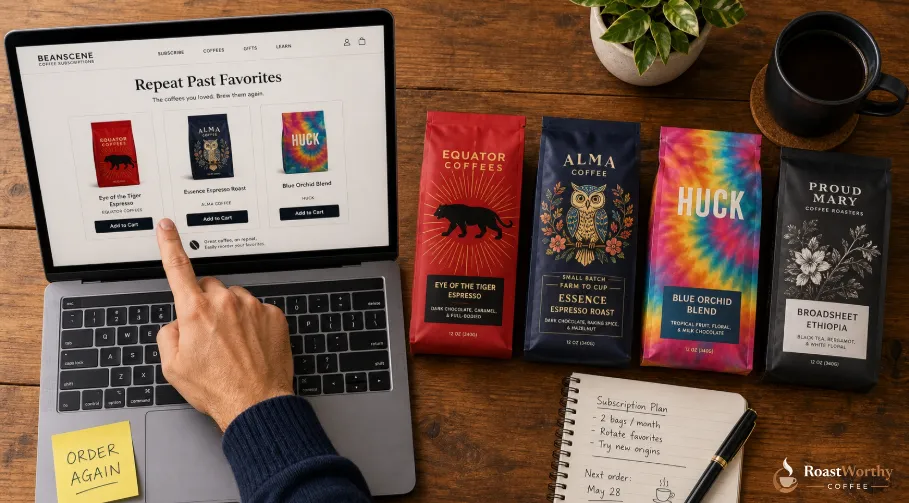
You can adjust delivery frequency, edit preferences, swap upcoming coffees, and repeat past favourites through the dashboard.
That helps because coffee use changes.
Guests can empty a bag in three days. A trip can leave the next delivery sitting outside.
The first shipment follows the initial setup. More scheduling options appear after that order.
Trade ships to all 50 US states. It does not currently offer international coffee delivery.
The US-only restriction is its clearest practical weakness.
Readers elsewhere should choose a regional specialty coffee subscription. Shorter transit usually means fresher coffee.
Trade Coffee Pros and Cons
What Trade Gets Right:
What Trade Gets Wrong:
Trade Coffee vs Other Subscription Styles
| Subscription Type | Variety | Personalisation | Consistency | Best For |
|---|---|---|---|---|
| Trade Coffee | Very high | High | Medium | Most curious home brewers |
| Single-roaster plan | Medium | Low to medium | High | Fans of one roast style |
| Origin-focused club | Medium | Medium | Medium | Drinkers interested in geography |
| Sample-box service | High | Low | Low | People wanting small tasting sizes |
| Local roaster pickup | Low to medium | Human advice | High | Freshness and local value |
Trade is the best generalist.
A Counter Culture or Intelligentsia subscription may suit someone attached to that roaster’s style. An origin club works better for people wanting a new country each month.
Sample boxes reduce the risk of a full unwanted bag. They also make grind adjustment harder because each sample disappears quickly.
Local pickup remains hard to beat. You can ask what is tasting best that week and avoid shipping.
Still, few services combine Trade’s variety, personalisation, and control this cleanly.
Who Should Subscribe?
Trade suits people who want better coffee but do not know which roaster to choose.
It also works for experienced drinkers stuck in a buying rut.
Choose Trade when you:
It can work well for couples with different tastes. One may prefer chocolate-heavy medium roasts. The other may chase bright washed coffees.
Who Should Skip It?
How to Brew Trade Coffee Better
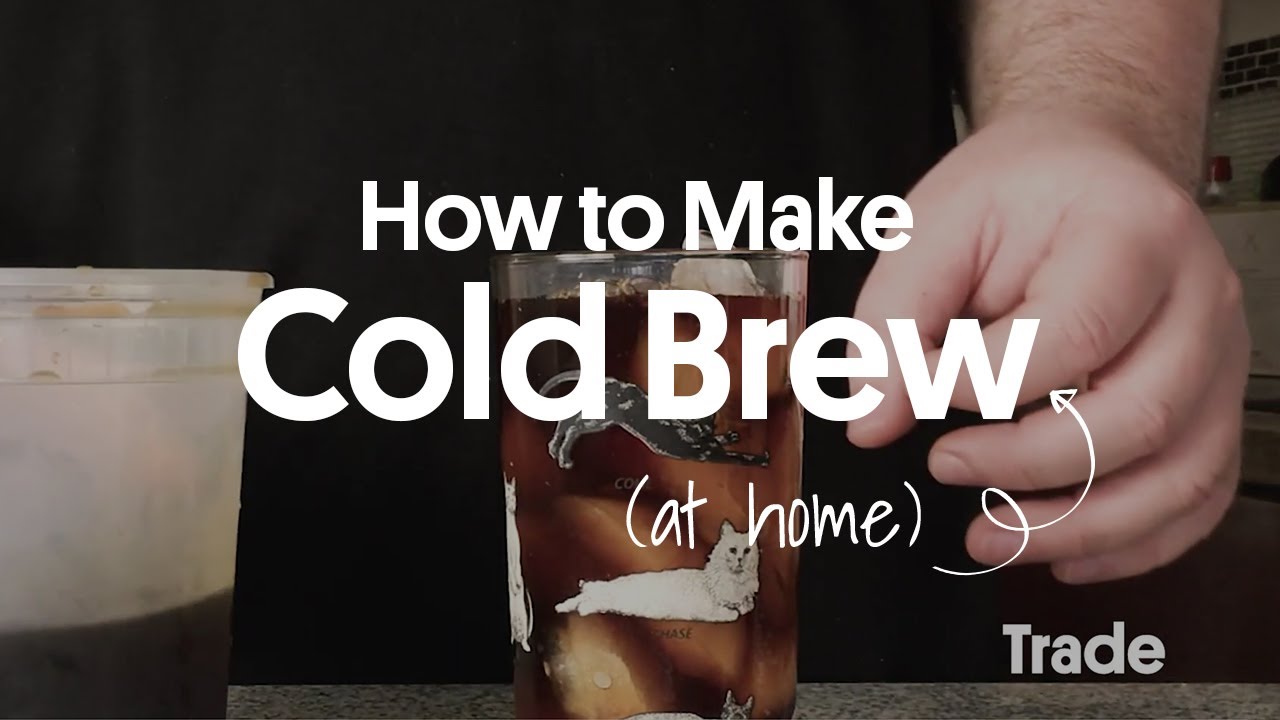
- Start with whole beans when possible. Grind immediately before brewing.
- For filter coffee, use 20 grams of coffee and 320 grams of water. Start near 93°C, or 200°F.
- For drip machines, use 60 grams per litre.
- For French press, try 30 grams with 500 grams of water. Steep four minutes and press slowly.
- For espresso, begin at a 1:2 ratio. Use 18 grams in and aim for 36 grams out within 25 to 32 seconds.
These are starting points, not laws.
Light roasts often need hotter water and finer grinding. Dark roasts usually taste cleaner with cooler water and a coarser grind.
Taste it. Change one variable. Brew it again.
Trade Coffee Review FAQs
Is Trade Coffee actually fresh?
Yes. Subscription coffee is roasted to order and shipped by the partner roaster. Check the roast date printed on the bag.
How much does Trade Coffee cost?
Classic costs $16.99 for a standard 10.93-ounce bag. Premium costs $21.99. Two-pound options cost $39.99 and $49.99.
Can I choose my coffee on Trade?
Yes. Trade can recommend each delivery, but subscribers can swap upcoming bags or repeat previous favourites in the dashboard.
Does Trade sell whole bean and ground coffee?
Yes. Whole bean gives better aroma and brew control. Ground options help people without a grinder.
Is Trade better than buying from one roaster?
Trade offers more variety and personalisation. A direct roaster subscription gives greater consistency and may offer better long-term value.
Does Trade Coffee ship internationally?
No. Trade currently ships within all 50 US states, including Alaska and Hawaii. It does not provide international delivery.
Final Verdict: Is Trade the Best Coffee Subscription?
Yes. Trade is the safest recommendation for most people entering specialty coffee subscriptions.
The catalogue is wide without becoming anonymous. The coffee quiz gives beginners a sensible starting point. Experienced drinkers can control the queue.
Fresh roasting and a printed roast date give Trade a real advantage over shelf coffee.
The main objection is price.
Premium costs enough that every bag should be good. Not merely interesting.
Still, Trade solves the hardest part of specialty coffee: finding the next good bag before the current one runs out.
This one earns its price for curious drinkers. Loyalists should buy directly from their favourite roaster. Everyone else should start with Classic.
More Recommendations from RoastWorthy Coffee