Lifeboost Coffee Review 2026: Low-Acid, Clean Coffee Tested

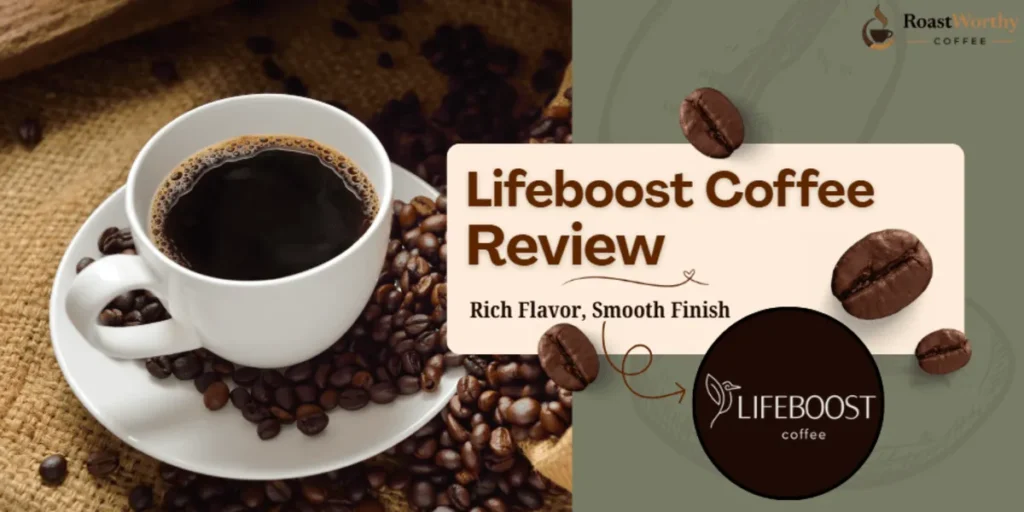
Lifeboost is not the coffee I would hand to someone chasing wild fruit acidity or competition-level clarity. That is not its job.
Its job is simpler: make coffee easier on the stomach without making it taste like a compromise. After testing it across French press, drip, pour-over, cold brew, and decaf, I can say this much clearly — Lifeboost does the low-acid, clean coffee thing better than most brands in this lane.
This Lifeboost Coffee Review looks at taste, acidity, sourcing claims, roast quality, decaf, mushroom coffee, pricing, and whether the premium is actually justified.
Lifeboost Coffee: My Verdict at a Glance
| Review Factor | My Take |
|---|---|
| Overall Score | 8.3/10 |
| Best Roast Tested | Medium Roast |
| Best Brewing Method | French press, drip, cold brew |
| Main Strength | Low-acid smoothness |
| Main Weakness | Premium price |
| Best For | Sensitive stomachs, clean coffee buyers, daily drinkers |
| Not For | Bright-acid specialty coffee hunters |
| Buy Again? | Yes, but mostly on subscription or discount |
Bottom line: Lifeboost earns its place if you want low acid coffee, clean coffee, organic coffee, and a softer daily cup. If you chase wild fruit, florals, and sharp acidity, this will feel too polite.
What Is Lifeboost Coffee?
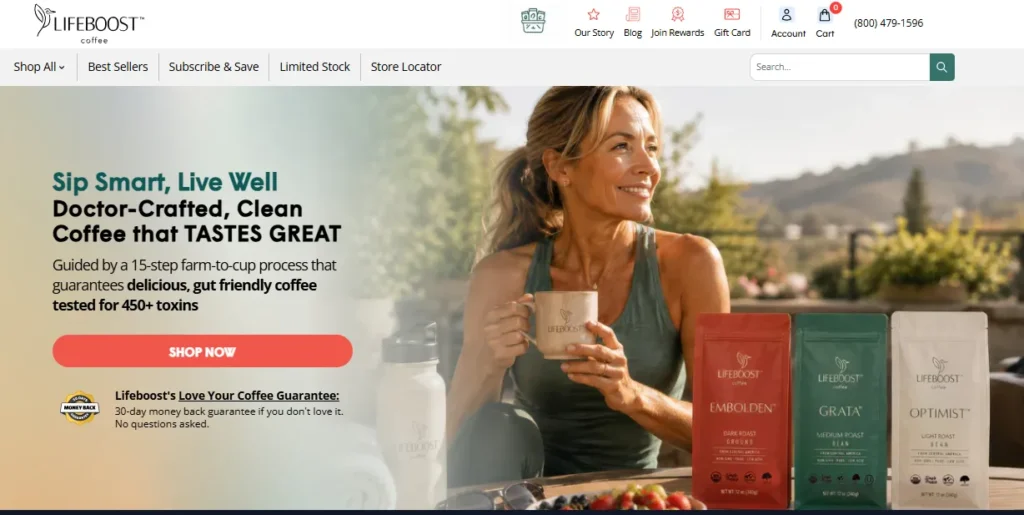
Lifeboost Coffee is a health-positioned specialty coffee brand built around low-acid beans, clean sourcing, and toxin testing. The brand focuses on single origin Arabica coffee grown in Central America, with Nicaragua often tied to its origin story and product identity.
The pitch is simple: organic coffee, shade grown coffee, fair trade-style sourcing, low acidity, and testing for mycotoxins, pesticides, heavy metals, and other unwanted contaminants.
That is a strong pitch. Almost too strong.
Most “healthiest coffee” brands overplay the wellness angle and underdeliver in the cup. Lifeboost does better than that. The coffee tastes like coffee first, not a supplement pretending to be breakfast.
Who Is Lifeboost Coffee Best For?
Lifeboost makes the most sense for people who want a gentler coffee routine. Not weaker coffee. Gentler coffee.
This is the buyer profile that fits:
The key buyer is not the competition cupping nerd. It is the daily coffee drinker who wants comfort, consistency, and fewer stomach issues.
That matters. A lot of coffee reviews miss this.
Judging Lifeboost against a washed Ethiopian Gesha is silly. That is not the lane. Judge it against other clean, low-acid, doctor formulated coffee brands, and it looks much stronger.
My Testing Setup
For this Lifeboost Coffee Review, I evaluated it like a practical daily coffee, not like a competition micro-lot. That means I brewed it the way most buyers will actually drink it.
Test methods:
| Brew Method | Recipe Used | Result |
|---|---|---|
| Pour-over | 20g coffee, 320g water, 1:16 ratio | Clean but slightly muted |
| French press | 30g coffee, 450g water, 4 min steep | Best body and sweetness |
| Drip machine | 55g coffee per 1L water | Most practical daily cup |
| Cold brew | 1:8 ratio, 16 hours | Very smooth, low bitterness |
| Espresso-style | 18g in, 36g out | Drinkable but not its best use |
I tested it black first. Then with milk. No sweetener until the second round.
If coffee only works with creamer, it is hiding something.
First Impression: Smooth, Clean, Almost Too Safe
The first sip tells you what Lifeboost is about. Low bitterness. Soft acidity. Medium body. A clean finish.
It tastes like milk chocolate, toasted almond, soft brown sugar, and a little cedar on the finish. The medium roast is the sweet spot. The dark roast leans heavier and rounder, but loses some definition.
The light roast is pleasant, but not exciting. It has soft citrus and cocoa, but no real sparkle. That is the low-acid trade-off. The edge has been sanded down.
This is not a loud coffee. It is a comfortable one.
And honestly, that is the point.
Taste Notes: What Lifeboost Actually Tastes Like
Here is the honest flavour read.
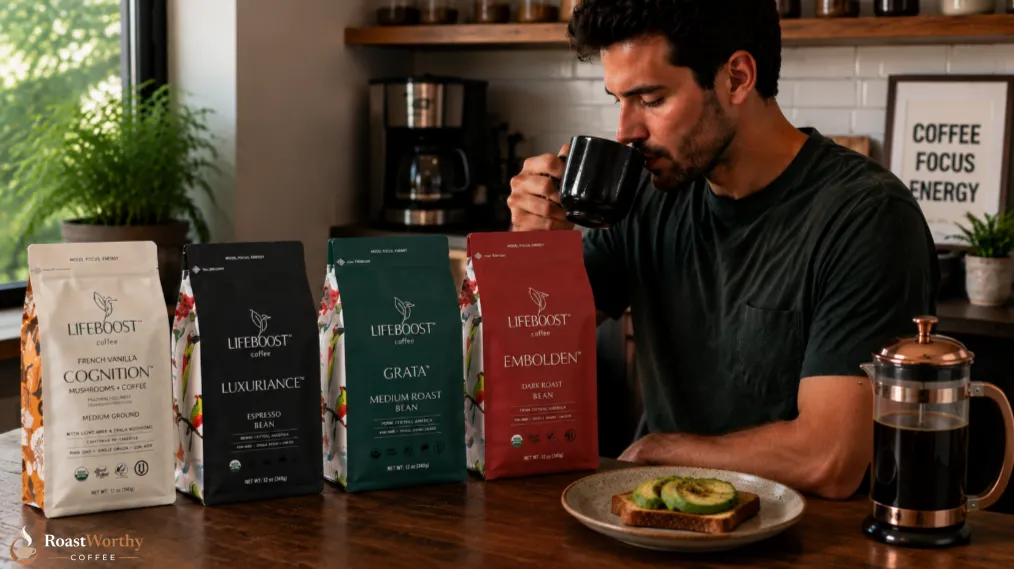
1. Medium Roast
This is the one I would buy.
It tastes like cocoa powder, roasted almond, brown sugar, and a faint orange peel finish. The body is medium. The aftertaste is clean. The acidity is soft enough that you notice its absence more than its presence.
No notes. Well, one note: grind it fresh.
Pre-ground Lifeboost is fine. Whole bean is better. Always.
2. Dark Roast
The dark roast tastes like dark chocolate, toasted walnut, and light smoke. It is not burnt, which already puts it ahead of many health-brand dark roasts.
Still, it has less detail than the medium roast. If you drink coffee with milk, this is probably your bag.
3. Light Roast
The light roast is the most interesting on paper and the least convincing in practice.
It tastes like soft citrus, cocoa, and toasted grain. Pleasant. Clean. But the acidity is too restrained for a light roast lover. A true light roast should have lift. This one has manners.
4. Decaf
The Swiss Water decaf is better than expected.
It keeps the soft chocolate character and avoids that papery decaf taste I dislike. It is not as lively as the regular medium roast, but for evening coffee, it works.
The flavour doesn’t lie. This is a proper decaf, not an apology.
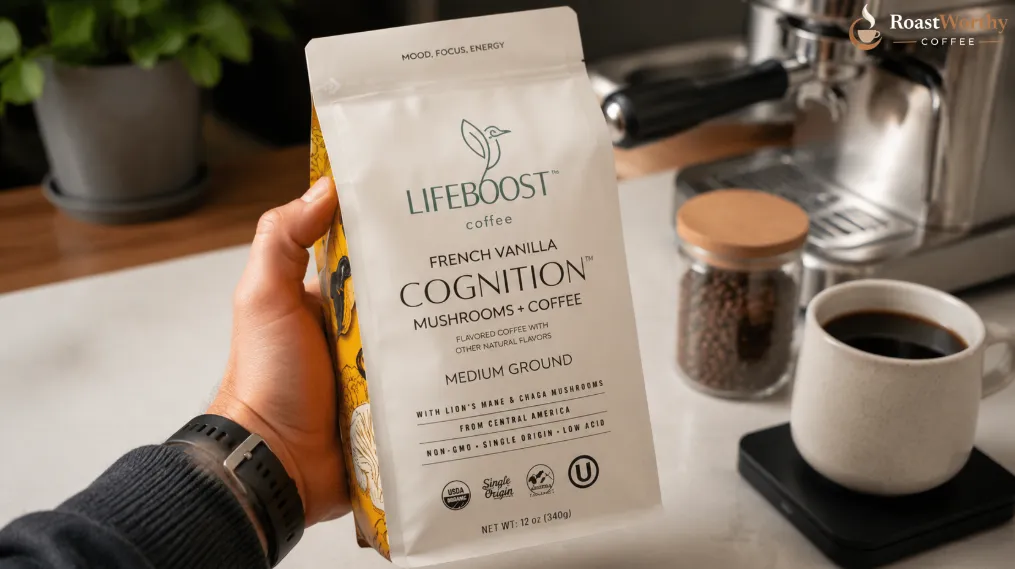
5. Mushroom Coffee
The mushroom coffee is more functional than delicious.
If you already like mushroom coffee, Lifeboost’s version is smoother than most. If you want classic coffee flavour, stick with the regular medium roast.
I would not start with the mushroom line. I would start with the core beans.
Is Lifeboost Really Low Acid?
Yes, Lifeboost is designed and marketed as low acid coffee. The cup supports that claim from a sensory angle.
It does not have the sharp citrus bite you get from many light roasts. It does not leave that prickly finish on the tongue. It feels rounder and softer from the first sip.
But here is the important part: low acid coffee is not medical treatment.
If coffee triggers your reflux, caffeine, volume, timing, and stomach sensitivity can all matter. Low-acid coffee may feel easier for some people, but it does not “fix” acid reflux.
Drink it with food. Avoid giant mugs before bed. And if GERD is frequent, talk to a clinician. Coffee advice should not replace medical advice.
Clean Coffee Claims: What Matters and What Does Not
Lifeboost leans hard into clean coffee. Organic coffee. Mycotoxin free coffee. Shade grown coffee. Toxin tested coffee. Doctor formulated coffee.
Some of that matters. Some of it is marketing shine.
Here is the useful breakdown.
Organic Coffee
Organic sourcing is a real plus if you care about synthetic pesticide exposure and farm practices. It does not automatically make coffee taste better, but it does give buyers more confidence.
Taste still comes from variety, altitude, processing, roast, and freshness.
Mycotoxin Free Coffee
Mycotoxins are a big talking point in wellness coffee. Lifeboost says its coffee is third-party tested for mycotoxins and other contaminants.
That is better than a vague “clean” claim with no process behind it.
Would I panic about every normal bag of specialty coffee? No. Good specialty roasters already work with high-quality green coffee. But third-party testing does add reassurance for buyers who care about it.
TrustPure Process
The TrustPure process is Lifeboost’s branded farm-to-cup quality system. It includes sourcing, growing, washing, drying, roasting, and testing standards.
The branding is a little heavy. The underlying idea is sound.
A repeatable process beats vague purity talk every time.
Shade Grown Coffee
Shade grown coffee can support slower maturation and better habitat preservation when done properly. Lifeboost’s identity around shade-grown, high-elevation beans fits its smooth flavour profile.
Here’s what the growing conditions are actually doing. Slower maturation can build density and sweetness in the seed. That does not guarantee greatness, but it gives the roaster better raw material.
Bird Friendly Coffee
Lifeboost often gets discussed in the bird friendly coffee conversation because of its shade-grown and wildlife-conscious positioning. That said, “bird friendly” can mean different things depending on whether a formal certification is involved.
For publishing accuracy, say Lifeboost is shade grown and wildlife-conscious. Do not overclaim a certification unless you verify the exact label on the bag.
Lifeboost Coffee Review: Pros and Cons
Pros:
Cons:
The biggest strength is drinkability. The biggest weakness is price.
Simple as that.
Lifeboost Coffee Pricing: What Does It Actually Cost?
Lifeboost sits in the premium coffee range. A single bag usually starts around $28.99, while larger bundles can go up to around $149, depending on roast, quantity, and current offers.
| Product | Typical Price Range | Best For |
|---|---|---|
| Medium Roast | About $28.99–$149 | First-time buyers |
| Dark Roast | About $28.99–$149 | Milk drinks, bolder cups |
| Light Roast | About $28.99–$144 | Softer light roast drinkers |
| Decaf | About $21.99–$149 | Evening coffee |
| Mushroom Coffee | About $29.99–$149 | Functional coffee buyers |
The single-bag price is high. The better value usually comes from subscriptions, bundles, or seasonal discounts.
You are paying for low acid coffee, organic sourcing, shade grown beans, toxin testing, and the clean-coffee positioning. If regular coffee causes stomach discomfort, that premium can make sense.
If your stomach handles normal specialty coffee well, Lifeboost becomes harder to justify. For the same money, you can find more exciting beans from local roasters.
Worth it for sensitive stomachs, less compelling for flavour-first buyers.
Best Lifeboost Products to Try First
1. Lifeboost Medium Roast
Start here.
This is the best expression of what Lifeboost does well: smooth body, soft acidity, clean finish, and enough chocolate sweetness to drink black.
Best brew methods:
2. Lifeboost Dark Roast
Buy this if you add milk or like a heavier cup.
It has more roast depth and less brightness. Good for morning mugs, not for careful tasting sessions.
3. Lifeboost Swiss Water Decaf
This is the sleeper pick.
Decaf drinkers get ignored too often. Lifeboost gives them a clean, low-acid option that still tastes like coffee.
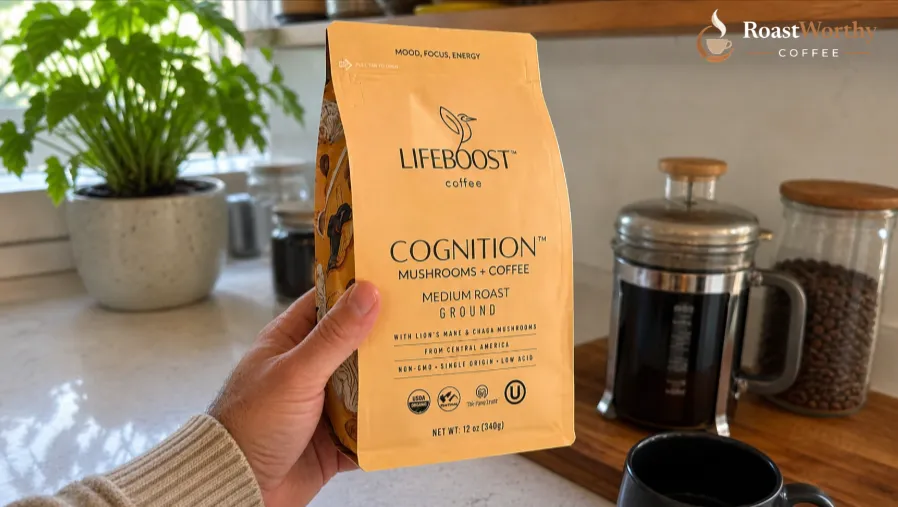
4. Lifeboost Mushroom Coffee
Try this only if you already want functional coffee.
It is smoother than most mushroom coffee, but the regular beans taste better. No surprise there.
Lifeboost vs Other Low Acid Coffee Brands
| Brand | Best For | Taste Style | Clean Coffee Focus | Verdict |
|---|---|---|---|---|
| Lifeboost | Clean, low-acid daily coffee | Smooth chocolate, low bitterness | Very high | Best all-round clean pick |
| Puroast | Budget low-acid coffee | Darker, heavier, less specialty | Medium | Good value, less refined |
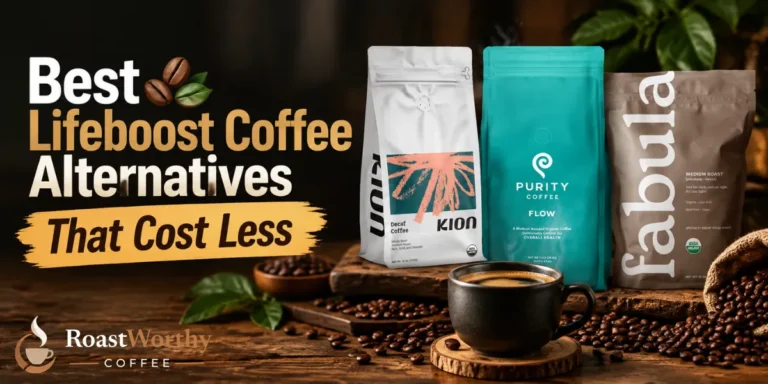
| Fabula | Organic low-acid shoppers | Smooth, mild, approachable | High | Similar lane, softer brand feel |
| Tyler’s Coffee | Ultra-low acid focus | Very mild, almost flat | Medium | Best for extreme sensitivity |
| Volcanica Low Acid | Origin variety | More flavour range | Medium-high | Better for variety seekers |
Lifeboost wins on clean-coffee branding and consistency. Volcanica is more interesting if you care about origin variety. Puroast is cheaper. Tyler’s is gentler but less flavourful.
That is the trade.
Best Brewing Recipe for Lifeboost Coffee
Lifeboost performs best when you do not over-extract it. The coffee is already soft. Push it too hard and you get dry wood instead of chocolate.
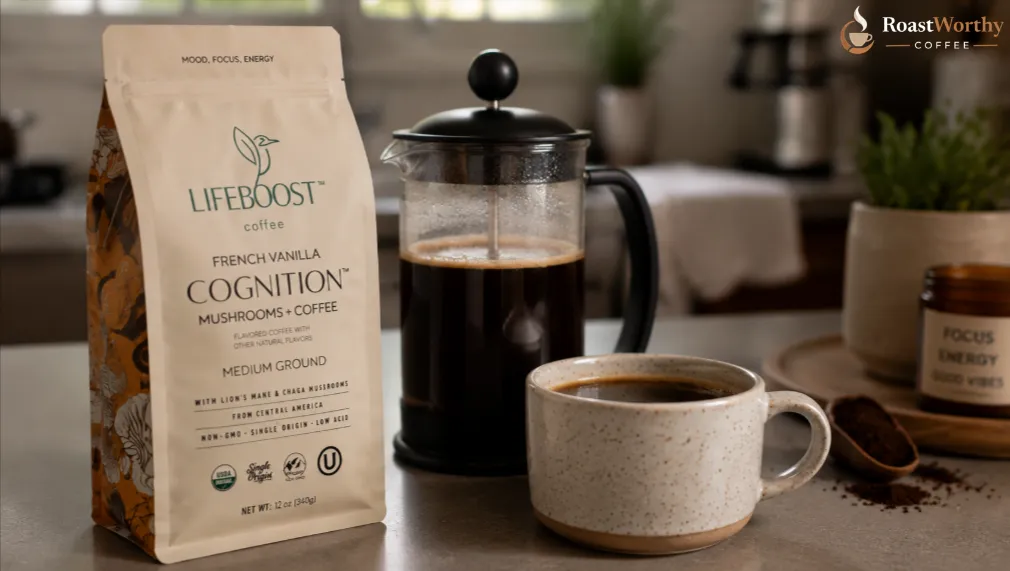
Best French Press Recipe
Use this for the medium roast.
This gives you the best body. It also brings out the almond and cocoa sweetness.
Best Drip Coffee Recipe
Use this for daily convenience.
Taste it black first. Then adjust.
If it tastes hollow, grind finer. If it tastes woody, grind coarser.
Best Cold Brew Recipe
Lifeboost is excellent as cold brew.
Cold brew makes the low-acid profile even softer. Almost too easy to drink.
What I Would Not Buy First
I would not start with the flavoured coffees.
Some people love them. Fair enough. But flavoured coffee hides bean quality. If you want to judge Lifeboost properly, start with medium roast whole bean.
I would also avoid buying large bundles before you know your roast preference.
Buy one bag. Brew it three ways. Taste it. Write it down. Then decide.
Who Should Actually Buy Lifeboost Coffee?
Lifeboost makes the most sense if regular coffee feels harsh, bitter, acidic, or heavy on your stomach. That is the real use case.
This is not the bag I would choose for someone who wants explosive fruit, floral aromatics, or a bright washed Ethiopian profile. Lifeboost is built for a different drinker.
Buy it if you want:
Skip it if you want high-acidity specialty coffee, experimental processing, rare micro-lots, or the best value per ounce.
Lifeboost is comfort coffee with clean-coffee discipline. That is its lane.
FAQs About Lifeboost Coffee
Is Lifeboost Coffee actually low acid?
Yes. Lifeboost is built around a low-acid coffee profile, and the cup tastes noticeably softer than many standard specialty coffees. It has less sharpness, less bitterness, and a smoother finish.
Is Lifeboost Coffee good for acid reflux?
Lifeboost may feel gentler for some acid reflux sufferers because it is low acid. But it is not a medical treatment for GERD or chronic reflux. Caffeine, timing, portion size, and personal triggers still matter.
Where is Lifeboost Coffee grown?
Lifeboost focuses on single origin Arabica coffee from Central America, commonly associated with Nicaragua-style sourcing. The beans are promoted as shade grown, high elevation, and organically cultivated.
Is Lifeboost Coffee mycotoxin free?
Lifeboost says its coffee is third-party tested for mycotoxins, molds, pesticides, heavy metals, and other contaminants through its TrustPure process. That is one of the brand’s main clean coffee claims.
Which Lifeboost roast tastes best?
The medium roast is the best place to start. It has the best balance of chocolate sweetness, smooth body, low acidity, and daily drinkability.
Is Lifeboost decaf good?
Yes. Lifeboost’s Swiss Water decaf is one of its stronger products. It keeps a clean chocolate-like profile without the flat, papery taste that ruins many decaf coffees.
Is Lifeboost Coffee expensive?
Yes. Lifeboost costs more than standard grocery coffee and many basic organic brands. The price makes more sense if you value low acid coffee, organic sourcing, toxin testing, and stomach-friendly smoothness.
What is the best way to brew Lifeboost Coffee?
French press and cold brew suit Lifeboost best. Use a 1:15 ratio for French press and a 1:8 ratio for cold brew concentrate. Avoid over-extraction because the coffee can turn woody.
Final Verdict: Is Lifeboost Coffee Worth It?
Lifeboost Coffee is worth it if you want a smooth, low-acid, clean coffee that feels gentle and tastes better than most wellness-branded coffee.
It is not the most exciting coffee in the specialty world. It is not trying to be. This is comfort coffee with cleaner sourcing and better testing.
The medium roast is the best buy. The Swiss Water decaf is genuinely useful. The dark roast is solid with milk. The mushroom coffee is optional.
This one earns its price for the right drinker. Especially if regular coffee gives you acid, jitters, or regret.
If your stomach is sensitive, start with the medium roast. Brew it in a French press. Keep the ratio at 1:15.
Then decide.
The flavour doesn’t lie. ☕
More Recommendations from RoastWorthy Coffee