Anaerobic Fermentation in Coffee: Does It Make Better Beans?

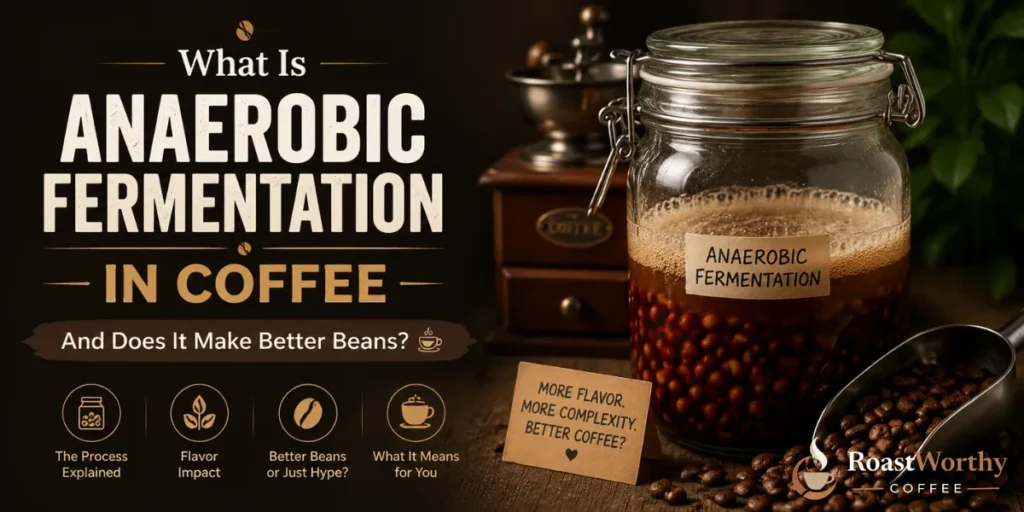
Anaerobic fermentation in coffee is what happens when producers seal freshly picked cherries in oxygen-free tanks and let them ferment under pressure. No air. Just microbes, sugars, and time.
The result? Coffee that tastes like nothing you'd expect from a bean. Strawberry candy. Cinnamon. Boozy tropical fruit. Sometimes all three.
There's a whole story in this cup. And it starts in Colombia, around 2015, when a producer named Diego Bermúdez pushed these techniques into the competition spotlight. The specialty world hasn't been the same since.
The Quick Answer
Anaerobic fermentation is a coffee processing method where cherries or de-pulped beans ferment in a sealed, oxygen-deprived environment. This shifts which microbes dominate and produces intense, distinctive flavors you can't get from washed or natural processing.
Is it better? Not universally. It's different. And for some drinkers, different is exactly the point.
Think of it like this. Washed coffee is a photograph of an origin. Anaerobic coffee is a painting of it. One shows you what's there. The other shows you what the producer wants you to feel.
How Anaerobic Coffee Processing Actually Works
Let's back up to the basics of what fermentation does.
Every coffee cherry ferments. It's unavoidable. Once the fruit is picked, natural yeasts and bacteria start feeding on the sugars in the mucilage — that sticky layer around the seed.
Traditional methods let this happen in open air. Anaerobic processing does the opposite.
The Sealed Tank Difference
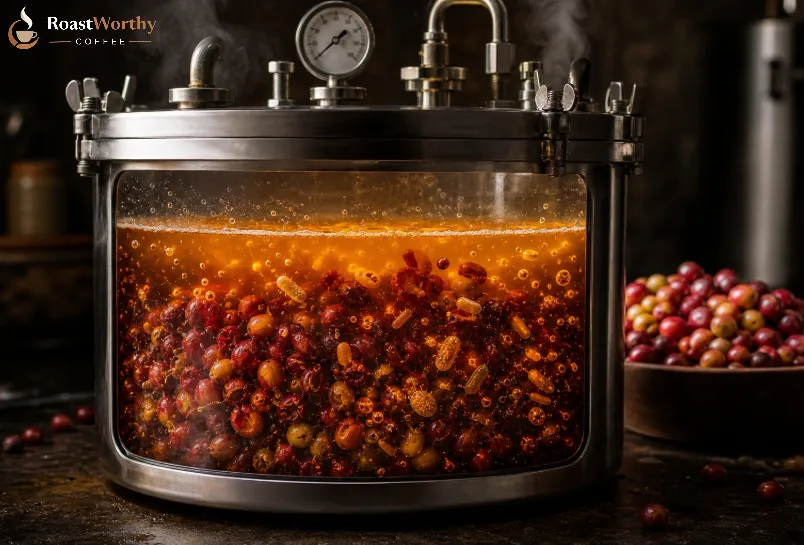
Producers load cherries into airtight steel or plastic tanks. Sometimes they add water. Sometimes they pump out oxygen entirely. Many fit the tanks with one-way valves that let CO2 escape but never let air back in.
Here's what's happening inside:
That pressure matters. It's why sealed tank fermentation tastes so different from a bean fermented in an open bucket.
The Microbiology Nobody Talks About
Under oxygen, you get a lot of acetic acid — think vinegar and sharp fruit. Remove the oxygen and lactic acid bacteria dominate. Those are the same bugs behind yogurt, sourdough, and kimchi.
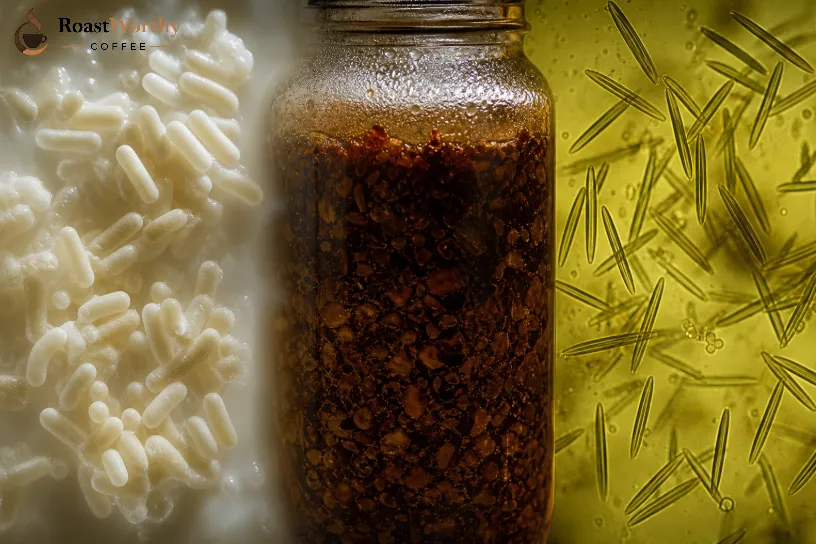
That shift is the whole game. Lactic fermentation is why anaerobic coffee reads as creamy and round instead of sharp and green.
Producers who nail this are essentially running a controlled microbiology experiment. Some now inoculate tanks with specific yeast or bacterial strains to steer the flavor. That's how targeted this has become.
Time and Temperature Control
Fermentation runs anywhere from 24 hours to over 120. Some producers monitor pH obsessively, pulling the lot the moment it hits a target number. Others track temperature by the hour.
The terroir is doing something here — but so is the tank. This is coffee where the process becomes as important as the origin.
Cold-climate producers sometimes ferment slower on purpose. Cooler tanks mean gentler, more controlled reactions. Warm regions have to move fast or risk the whole batch tipping into rot.
Lactic Acid, Carbonic Maceration, and the Wine Connection
The vocabulary of anaerobic coffee borrows heavily from winemaking. That's not an accident.
Carbonic maceration is the technique that made Beaujolais famous. Whole grapes ferment in CO2-rich tanks before crushing. Coffee producers adapted it directly — whole cherries, sealed tank, carbon dioxide blanket.
Inside a carbonic ferment, fermentation begins inside each intact cherry before the microbes on the outside ever get involved. That intracellular process creates a specific fruity, almost bubblegum character.
The lactic acid pathway is the other borrowed idea. Lactic fermentation gives coffee a rounder, creamier, softer acidity. Less sharp. More yogurt-and-berry than lemon-and-green-apple.
This is why anaerobic lots often taste dense and syrupy. The chemistry is doing something structural to the cup, not just adding a flavor on top.
Anaerobic vs Washed Coffee: The Real Comparison
If you want to understand what anaerobic processing adds, compare it to the cleanest method there is.
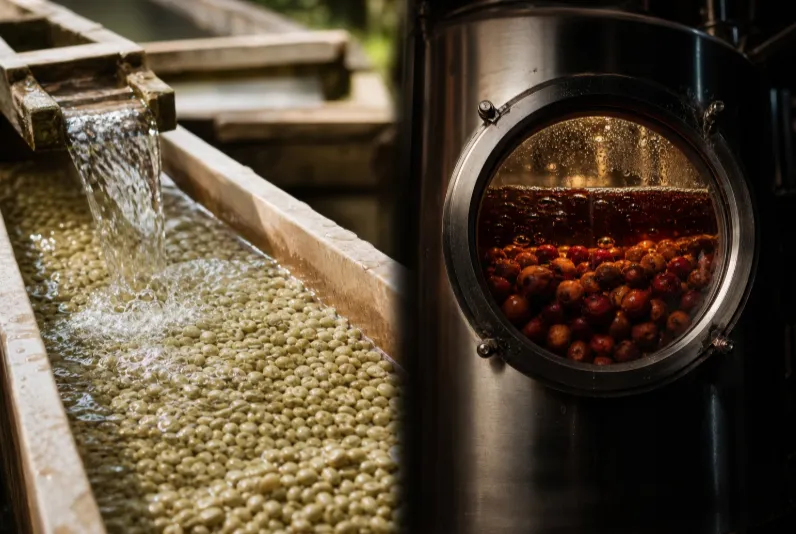
Washed coffee strips away all the fruit before drying. What's left is pure bean. Clean. Bright. Transparent about its origin.
Anaerobic does the opposite. It amplifies. It layers on fermented character until the origin almost disappears behind the process.
| Feature | Washed | Natural | Anaerobic |
|---|---|---|---|
| Oxygen during ferment | Present | Present | Removed |
| Dominant acid | Acetic/citric | Mixed | Lactic |
| Flavor intensity | Clean, bright | Fruity, heavy | Intense, funky |
| Origin transparency | High | Medium | Low |
| Consistency | Very high | Variable | Hardest to control |
| Typical price | Standard | Slight premium | High premium |
Neither is “better.” A great washed Ethiopian and a great anaerobic Colombian are answering different questions.
Start with the origin, not the roaster — but with anaerobic, you almost start with the tank.
What Anaerobic Coffee Actually Tastes Like
Forget the tasting-note poetry for a second. Here's the honest version.
A well-made anaerobic coffee tastes like fruit that's been pushed to its edge. Ripe strawberry. Boozy pineapple. Sometimes fermented in a way that reads as red wine or even sour beer.
The good ones are electric. Bright, wild, memorable. You take a sip and immediately know something unusual happened to this coffee.
The bad ones taste like a fruit smoothie that sat out too long. Vinegar. Solvent. Overripe funk with no structure behind it.
That's the risk. Anaerobic processing has almost no margin for error. One degree too warm, one day too long, and you've ruined the lot.
A Quick Cupping Breakdown
Here's what I look for when I taste one of these:
If the funk fades and leaves sweetness behind, it's a good lot. If it lingers like something spoiled, it isn't.
The Experimental Processing Movement
Anaerobic is part of a bigger wave — what the industry calls experimental processing. Thermal shock, where beans get hit with hot then cold water. Yeast inoculation. Extended macerations that run a week or more.
Competition baristas love this stuff. It wins prizes. It commands prices most farmers never see for washed lots.
This matters beyond the flavor. For a small producer, one killer anaerobic lot can change a season's income.
Does Anaerobic Fermentation Make Better Beans?
Honest answer: it depends what you value.
If you love clean, terroir-driven coffee that tastes like where it grew — anaerobic might frustrate you. The process can bulldoze the origin's fingerprint entirely.
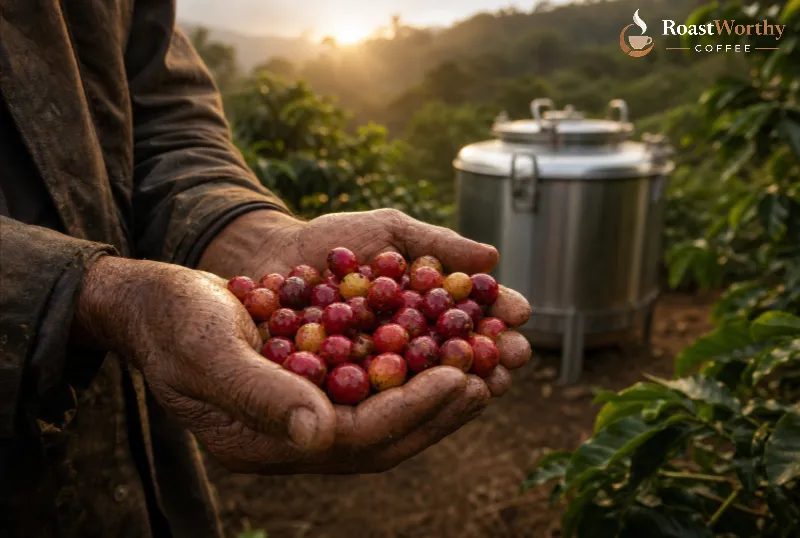
If you want a coffee that surprises you, that tastes almost unrecognizable as coffee — this is the category for you.
Here's my take after tasting a lot of these lots. The best anaerobic coffees are extraordinary. The average ones are gimmicks charging double for novelty.
And there's a deeper issue. When the process becomes the selling point, the farm behind it fades into the background. The people who grew this deserve credit when it's done right. Too often the tank gets the glory and the farmer gets forgotten.
So no, anaerobic isn't automatically better. But at its best, it's some of the most exciting coffee being made anywhere.
How to Buy Anaerobic Coffee Without Getting Burned
The market is full of hype right now. Here's how to spot the real thing.
A serious roaster will tell you the story behind the lot. A lazy one just slaps “anaerobic” on the label and charges more.
How to Brew Anaerobic Coffee at Home
These beans are intense. Your brewing should give that intensity room to breathe.
If you roast at home, keep these light to medium. Roast too dark and you kill the exact fruit you paid extra for.
Key Takeaways
Frequently Asked Questions
What is anaerobic coffee in simple terms?
It's coffee fermented in a sealed, oxygen-free tank. Removing oxygen changes which microbes work on the bean, creating stronger, fruitier, and more unusual flavors than standard processing.
Is anaerobic coffee stronger than regular coffee?
Not in caffeine. It's stronger in flavor intensity. The taste is more concentrated, fruity, and sometimes boozy, but the caffeine content stays roughly the same.
What does anaerobic fermentation taste like in coffee?
Expect ripe strawberry, tropical fruit, cinnamon, and wine-like notes. Great ones are vibrant and clean. Poor ones taste like vinegar or overripe fruit.
Is anaerobic coffee worth the higher price?
Sometimes. A well-made lot is genuinely special and worth it. But plenty of anaerobic coffees charge premium prices for novelty alone, so buy from trusted roasters.
How long does anaerobic fermentation take?
Usually 24 to 120 hours, though some experimental lots run longer. Producers control time, temperature, and pH tightly because small changes dramatically shift the flavor.
Is anaerobic the same as natural processing?
No. Natural drying happens in open air with oxygen present. Anaerobic seals the coffee away from oxygen, producing a more controlled fermented character. ☕
More Recommendations from RoastWorthy Coffee