Best Manual Espresso Makers (2026): 7 Lever Picks From $130 to $699

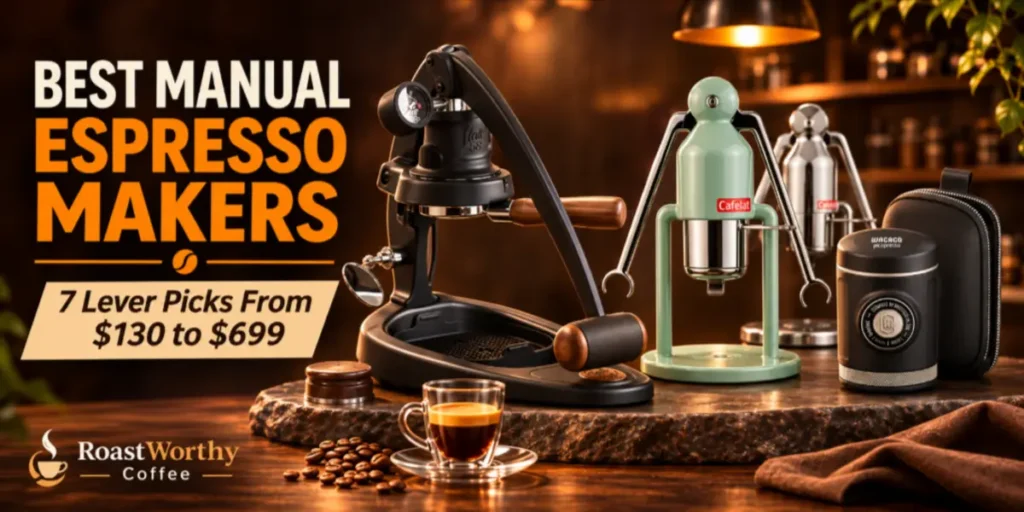
A manual espresso maker swaps the pump for your arm. No boiler, no motor, often no plug at all. You pour in hot water, pull a lever and push the coffee through yourself.
Done right, it can match espresso from machines that cost a lot more. Done wrong, it makes sour brown water… and you'll know exactly whose fault it was.
Here are the seven worth your money, from a $130 travel press to a $699 lever with a heated brew head.
Quick Picks
Manual Espresso Makers Compared
| Maker | Best for | Price | Basket | Heated brew head | Pressure gauge | Warranty | Our score |
|---|---|---|---|---|---|---|---|
| Flair 58 Plus 2 | Best overall | $699 | 58 mm | Yes | Yes | 5 years (frame and brew head) | 8.4 |
| Cafelat Robot | Simple lever | 518(599 Barista) | 58 mm | No | Barista version | Not stated | 8.2 |
| Wacaco Picopresso | Travel | $129.90 | 52 mm | No | No | Not stated | 8.1 |
| Flair 49 PRO | Mid-price | $359 | 49 mm | No | Yes | 5 years | 8.0 |
| ROK EspressoGC | Warranty | $259 (Explorer Edition) | About 50 mm | No | No | 10 years | 7.8 |
| Flair Classic | Budget lever | $159 | 40 mm | No | Yes | 3 years (stand and cylinder) | 7.4 |
| ROK Presso Smartshot | Easiest to use | $179 | Not stated | No | No | 2 years | 6.8 |
Prices from each maker's US store, or Prima Coffee for the Robot, checked October 26, 2026.
How We Ranked Them
We haven't pulled shots on all seven of these ourselves, so we won't pretend we did. The ranking uses four things, all from sources you can check:
- Shot potential. Basket size, how much control you get over pressure, and how well the maker holds temperature. A 58 mm basket and a pressure gauge score higher than a small basket you work by feel.
- Ease of use. How much preheating, fiddling and cleanup each shot takes.
- Build and warranty. What it's made of and how long the maker stands behind it.
- Value. What you get for the price, including what you'll need to buy on top.
Specs and prices come from each maker's own store and manual. Temperature data comes from The Coffee Chronicler, whose Q Grader editor measured the Flair 58 and Cafelat Robot with thermocouples.
The ROK notes draw on reviews from Coffeeness and Coffeedant. For the Flair 58 Plus 2, see our full Flair 58 Plus 2 review.
One rule applies to every pick here: the grinder matters more than the lever. None of these will save coffee that's ground wrong.
The 7 Best Manual Espresso Makers
1. Flair 58 Plus 2: Best Overall
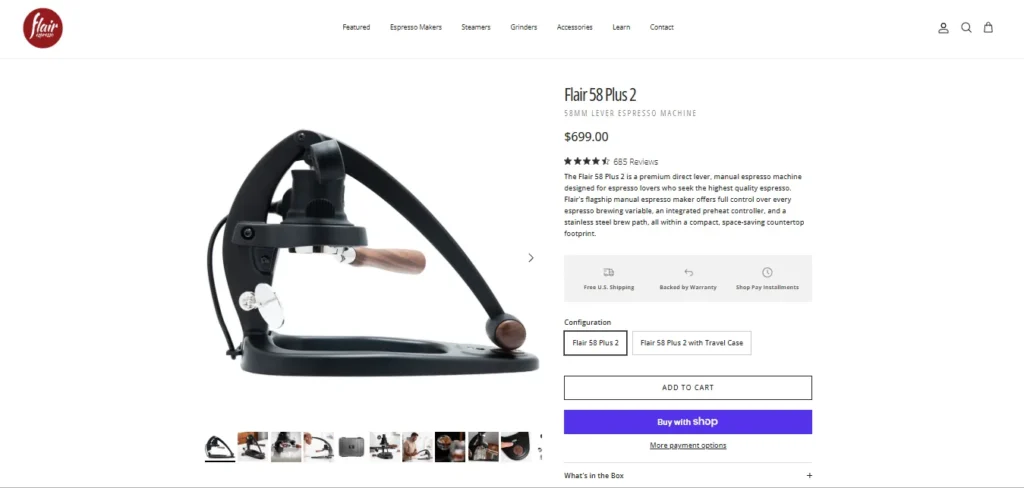
This is the most capable lever on the list. The brew head heats itself, the gauge sits right in front of you and the 58 mm basket takes any café accessory you already own.
The heated chamber also holds temperature through a long, slow pre-infusion, which unheated levers can't do.
The catch is temperature at the bottom of the chamber. The Coffee Chronicler measured about 87 to 88°C with Flair's basic routine, and about 92 to 96°C only after raising the lever and waiting 3 to 5 minutes. Fine for dark roasts. Fussy for light ones.
It's also $699, it stands about 25 in tall with the lever up, and you press leftover water out after every shot. Our Flair 58 Plus 2 review covers all of it.
2. Cafelat Robot: Best Simple Lever
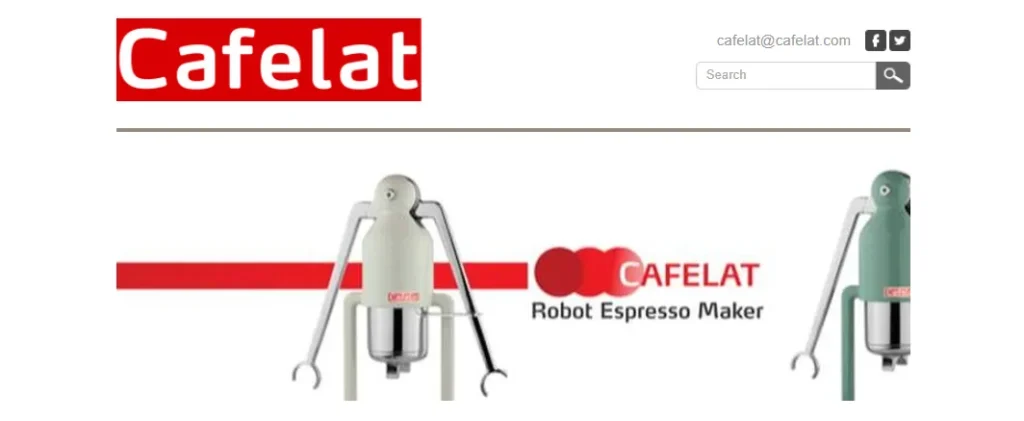
The Robot is the lever for people who want fewer moving parts. No cable, no preheat button, nothing to charge.
It holds temperature better than you'd expect. In The Coffee Chronicler's tests it started at about 93 to 94°C and dropped to about 91°C over 20 to 30 seconds. That's more predictable than the Flair 58's chamber, and the editor owns both. He says the Robot “feels like it's reached its final form”.
Cleanup is easier too. You pull the basket out to drain it, instead of pushing leftover water through.
The Barista version's gauge reads pressure inside the basket, so you can watch the pre-infusion rise and the shot build. It's worth the extra $81 if you want feedback.
One warning: the Robot sells out often. All three versions were out of stock at Prima Coffee when we checked.
3. Wacaco Picopresso: Best for Travel
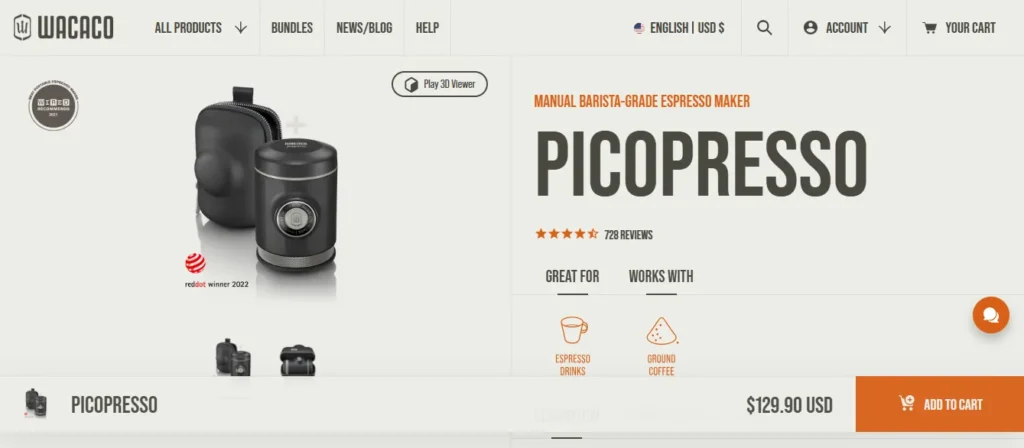
The Picopresso is the only pick here you can throw in a backpack. It's hand-pumped, weighs about as much as a can of soup and still takes a real 18 g dose in a non-pressurised basket.
That last part matters. A non-pressurised basket means proper espresso, but it also means you need a good grinder. Pre-ground coffee won't cut it.
It's more work per shot than a bench lever, and the 80 ml of water means one shot at a time. For a hotel room or a campsite, nothing else on this list comes close.
4. Flair 49 PRO: Best Mid-Price
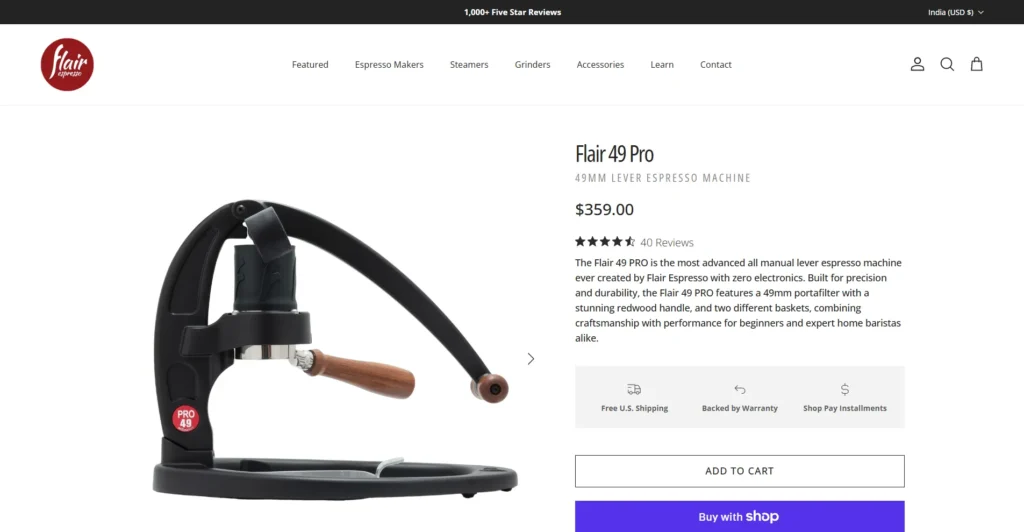
The 49 PRO gets you most of what makes the Flair 58 good for about half the price. You still get the gauge, the same 90 ml chamber, a puck screen and the valve plunger with a locking hook. You lose the heater and the 58 mm basket.
The pressurised basket is a nice touch for beginners. It's more forgiving of a so-so grinder. Swap to the bottomless basket once your grind is dialled in.
The trade-off is the 49 mm size. It isn't a standard café size, so third-party baskets, tampers and distribution tools are harder to find.
5. ROK EspressoGC: Best Warranty
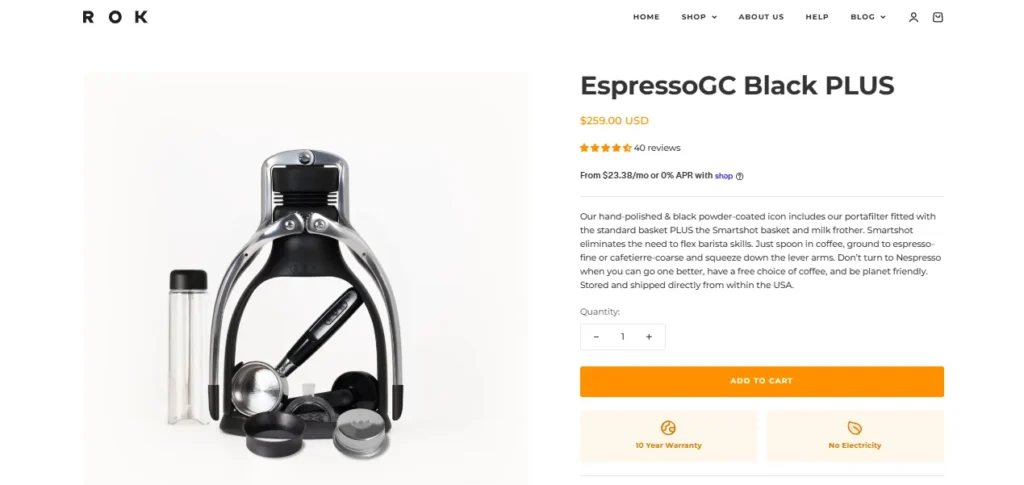
The ROK is a two-armed lever built from aluminium and steel, and ROK backs it for 10 years. Nothing else here comes close on cover.
The Explorer Edition is the one to get. It comes with a standard and a naked portafilter, a standard basket plus two Smartshot baskets, a dosing funnel, a 2-cup splitter and a manual milk frother. It ships from within the US.
The Smartshot basket restricts flow, so it's more forgiving across grind sizes. That helps while you learn.
And you will need to learn. Coffeeness says it can take up to a hundred shots to dial in. There's no gauge, so you judge pressure by feel. Coffeeness's routine is a 10 to 12 second pre-infusion, then a firm press. ROK's own guidance is a 25 to 30 second pull.
Two more notes. The manual frother whips milk but can't steam it, per Coffeedant. And the roughly 50 mm basket means aftermarket tampers can be hard to find.
6. Flair Classic: Best Budget Lever
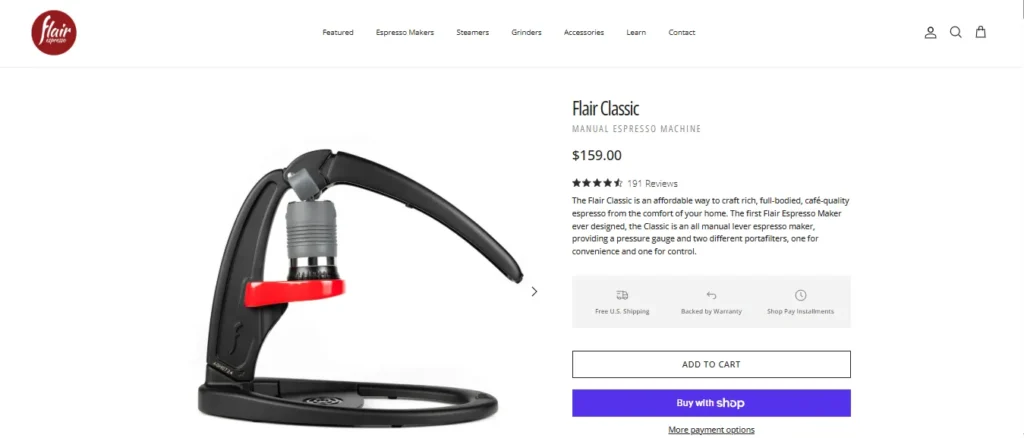
The Classic is the cheapest way into a real lever with a gauge. The brewing cylinder comes off for cleaning, and you get two portafilters: a bottomless 2-in-1 and a flow-control one.
The limits are size. A 40 mm basket and about 40 ml out means smaller shots. If you drink doubles or milk drinks, the 49 PRO is worth the extra $200.
7. ROK Presso Smartshot: Easiest to Use
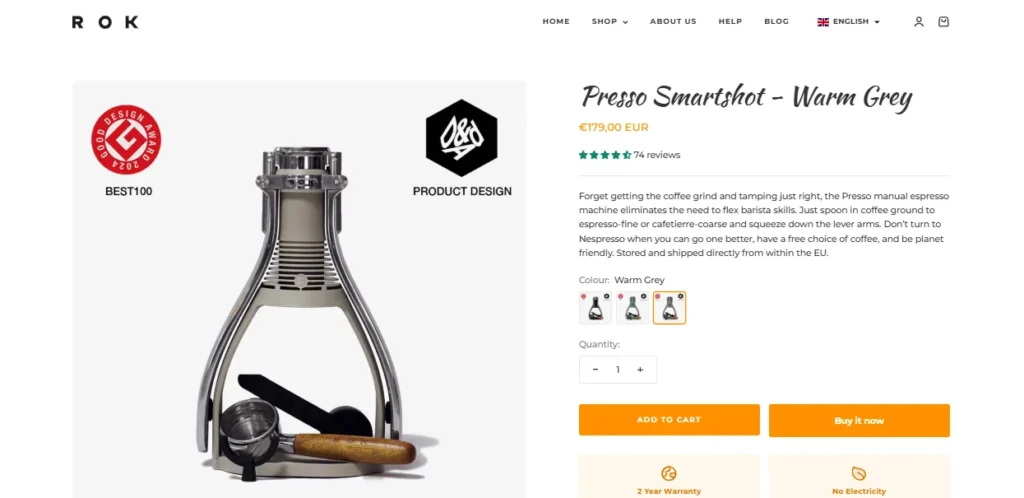
The Presso Smartshot is the most forgiving pick here. You spoon in coffee, add hot water and squeeze the arms down. ROK says it takes coffee ground to espresso-fine or coarser, and that it “eliminates the need to flex barista skills”.
That's the appeal and the limit. You get a decent shot with less fuss, but less control than any other lever here. ROK also publishes fewer specs for it. One owner on ROK's page found the cup space small.
Buy it if you want espresso-style coffee without a learning curve. Skip it if you want to get good at espresso.
How to Choose a Manual Espresso Maker
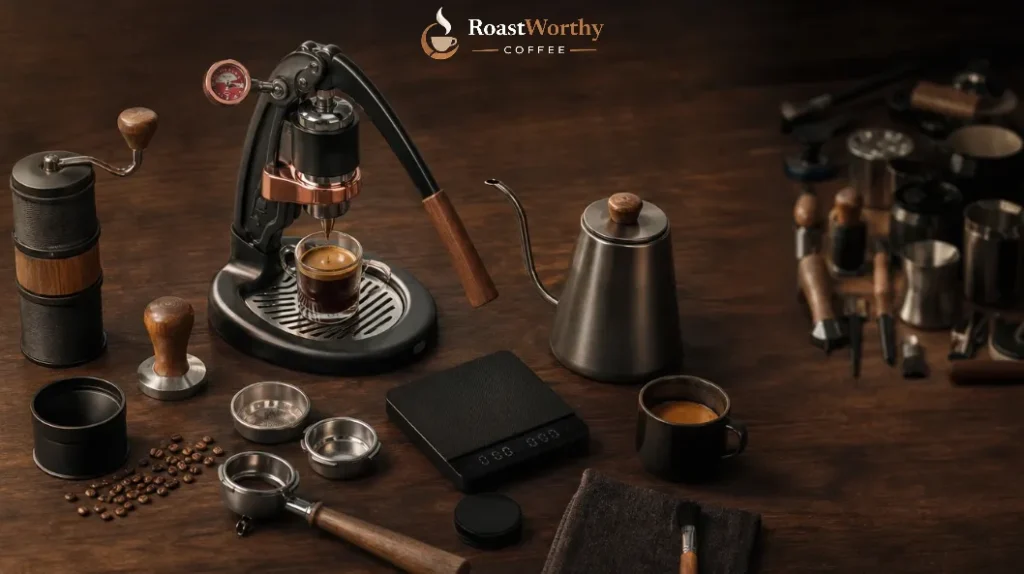
Basket Size: 58 mm or Not
58 mm is the standard café size. Pick a lever with a 58 mm basket (the Flair 58 Plus 2 or Cafelat Robot) and every tamper, puck screen, funnel and upgrade basket on the market fits.
Smaller baskets (52, 50, 49 or 40 mm) work fine. You just have fewer accessories to choose from, and smaller baskets mean smaller doses.
Gauge or No Gauge
A gauge shows you the pressure while you pull. That's how you learn. Without one, you're going by feel, and it takes longer to get consistent.
If this is your first lever, get one with a gauge: the Flair Classic, Flair 49 PRO, Flair 58 Plus 2 or Robot Barista.
Heated or Not
Only the Flair 58 Plus 2 heats its own brew head. Everything else relies on you preheating with boiling water.
That's fine for medium and dark roasts. Light roasts want hotter water, so expect to preheat carefully and work fast.
Your Grinder Matters More Than Your Lever
Every maker on this list needs a burr grinder that can grind fine for espresso and adjust in small steps. Pre-ground supermarket coffee won't work in a non-pressurised basket.
If your budget is tight, spend less on the lever and more on the grinder. Our manual coffee grinders guide covers the hand grinders that can handle espresso.
Milk Drinks
None of these steam milk. For lattes you'll need a stovetop steamer or a frother. Here are our picks for milk frothers.
What It Really Costs
The lever is only part of the bill. Here's a realistic setup at three budgets:
| Setup | Lever | Grinder | Scale | Kettle | Total |
|---|---|---|---|---|---|
| Budget | Flair Classic, $159 | Flair Royal, $159 | Flair, $49 | Flair, $79 | $446 |
| Mid | Flair 49 PRO, $359 | ROK GrinderGC, $249 | Flair, $49 | Flair, $79 | $736 |
| Top | Flair 58 Plus 2 Espresso Bar Kit: lever, grinder, scale, kettle and stovetop steamer | $1,092 |
Maker list prices, October 2026. Any 0.1 g scale and any kettle will do.
Who Should Skip a Lever
If you want espresso in two minutes before work, with steamed milk and no thinking, a lever will drive you mad. An electric machine is the better buy. Start with our best espresso machines under $500.
Need help with grind size and timing on any of these? Our guide on how to dial in espresso works for levers too.
FAQs
Are manual espresso makers worth it?
Yes, if you enjoy the process and own a good grinder. A 159 to 359 lever can pull excellent shots once you've dialled it in. If you want speed and steamed milk with no effort, an electric machine is the better buy.
Do manual espresso makers make real espresso?
The good ones do. Flair's levers are built to hit 6 to 9 bar, the target for espresso, and the gauge shows you when you're there. The pressure comes from your arm instead of a pump.
What's the best manual espresso maker for beginners?
The Flair 49 PRO. It has a gauge to learn from and a pressurised basket that forgives a so-so grind, plus a bottomless basket for when you get better. If you want no learning curve at all, the ROK Presso Smartshot is easier, but you'll outgrow it.
Flair or ROK: which is better?
Flair, for most people, because Flair's levers come with a pressure gauge. The ROK EspressoGC wins on warranty (10 years) and price, and its Smartshot basket helps beginners. Pick the ROK if you're happy to learn by feel.
Do I need a special grinder for a manual espresso maker?
Yes. You need a burr grinder that grinds fine enough for espresso and adjusts in small steps. A blade grinder won't work. This matters more than which lever you buy.
Can you make lattes with a manual espresso maker?
You can make the espresso. You can't steam the milk. Add a stovetop steamer or a milk frother.
Final Take
A manual lever is one of the cheapest ways to make proper espresso at home, as long as you're willing to learn.
Whatever you pick, put real money into the grinder. That's where the flavour comes from. ☕
More Recommendations from RoastWorthy Coffee