10 Best Mold-Free & Mycotoxin-Free Coffee Brands of 2026

Most coffee sold as “clean” asks you to trust a badge, a slogan, or a carefully designed bag.
That is not enough.
The best Mold-Free & Mycotoxin-Free Coffee Brands test their beans through independent laboratories. The strongest companies publish a certificate of analysis, identify the laboratory, state what was tested, and connect the report to a harvest or production lot.
One technical detail matters here: “mycotoxin-free” usually means the laboratory found no contamination above its stated detection limit. It does not mean scientists proved that every molecule was absent.
TL;DR: The Best Mold-Free Coffee Brands
Holistic Roasters ranks first for testing transparency. It publishes unedited, harvest-specific reports from accredited laboratories.
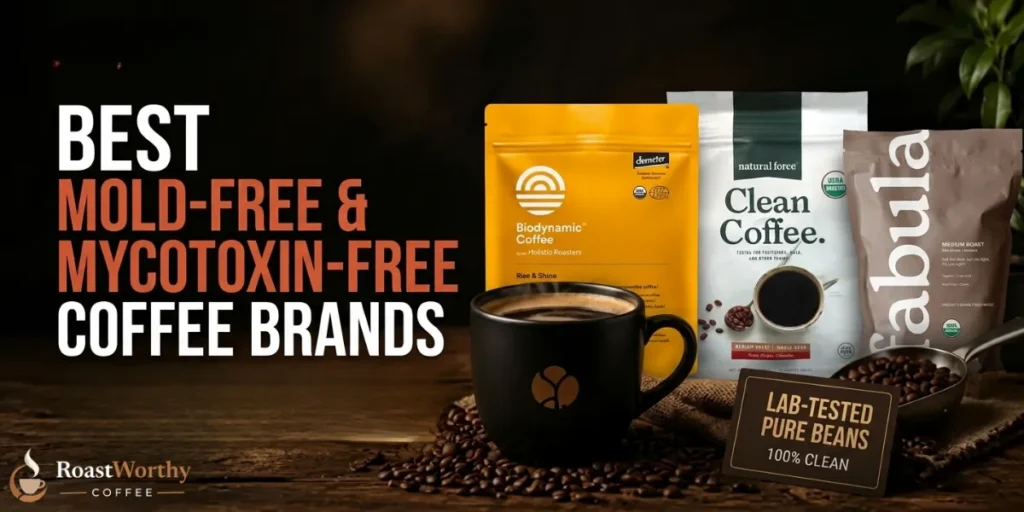
Natural Force follows closely with public Eurofins reports for green and roasted coffee. Fabula, Danger Coffee, Purity, and Lifeboost also run broad contaminant testing, although their public documentation varies.
| Rank | Coffee brand | Testing transparency | Key certification | Typical cup style | Score |
|---|---|---|---|---|---|
| 1 | Holistic Roasters | Published COAs by harvest | Demeter Biodynamic, organic | Chocolate, molasses, nuts | 9.6/10 |
| 2 | Natural Force | Public Eurofins COAs | USDA Organic | Cocoa, toasted nuts | 9.4/10 |
| 3 | Fabula Coffee | Published batch results | USDA Organic, Non-GMO | Smooth, nutty, low-acid | 9.1/10 |
| 4 | Danger Coffee | Detailed batch-testing claims | Specialty-grade sourcing | Caramel, tobacco, chocolate | 8.8/10 |
| 5 | Purity Coffee | Third-party testing, limited current COAs | USDA Organic, Bird Friendly | Apple, chocolate, citrus | 8.7/10 |
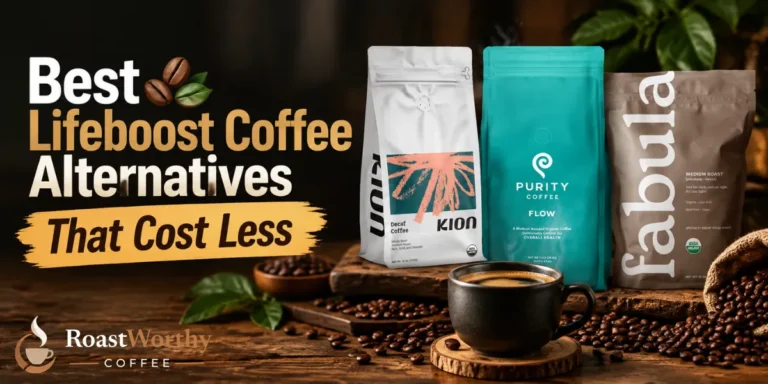
| 6 | Lifeboost Coffee | Third-party testing, COA access less direct | Organically grown | Earthy, nutty, mild | 8.4/10 |
| 7 | Kion Coffee | Regular testing, reports not public | Certified organic | Apple, marzipan, dark chocolate | 8.1/10 |
| 8 | Bulletproof Coffee | Proprietary testing panel | Rainforest Alliance | Plum, cinnamon, hazelnut | 7.8/10 |
| 9 | Peak Performance | Reports available on request | USDA Organic, Fair Trade | Balanced, classic medium roast | 7.4/10 |
| 10 | Clean Coffee Co | Testing claimed, no clear public COA | Selected certified lots | Milk chocolate, almonds | 7.0/10 |
How I Ranked These Coffees
The ranking gives the most weight to evidence, not marketing.
My scoring model uses:
A coffee can taste excellent and still rank lower because its laboratory data remains proprietary.
The curve doesn’t lie. Neither does a properly dated laboratory report. ⚗️
1. Holistic Roasters Biodynamic Coffee
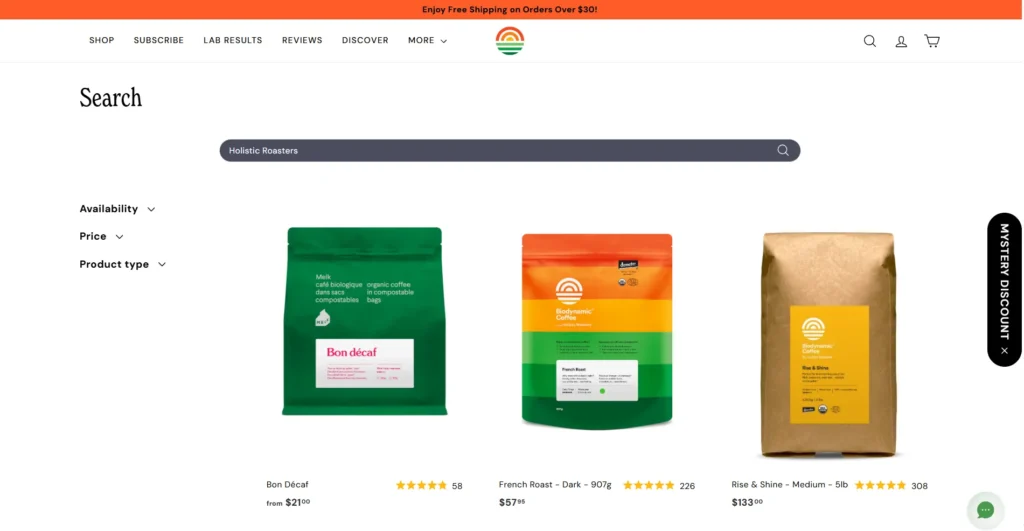
Best overall for published laboratory reports
Holistic Roasters has the strongest transparency in this group.
Every Biodynamic harvest is tested through two accredited laboratories. Actlabs runs a 16-compound mycotoxin panel using LC-MS. Eurofins tests heavy metals and microbiological contaminants.
The company publishes the original reports by harvest and lot. Its library includes recent Honduras and Peru crops, along with decaffeinated lots.
The coffee is Demeter-certified Biodynamic. That standard prohibits synthetic pesticides, herbicides and fungicides across the farm.
Beans come from family farms in Peru and Honduras. Selected lots grow around 1,700 metres. Darker roasts taste like molasses, chocolate and toasted hazelnut.
2. Natural Force Organic Clean Coffee
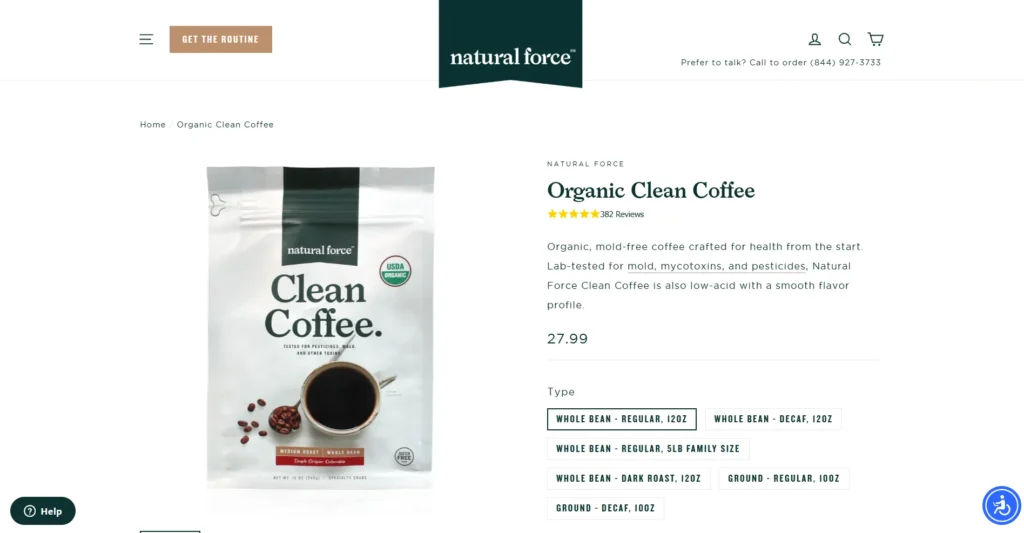
Best balance of public COAs and broad testing
Natural Force publishes third-party analytical reports for its regular, dark-roast and decaf coffees.
Eurofins tests the coffee for mold, yeast, ochratoxin A, aflatoxins, pesticide residues, glyphosate, acrylamide and heavy metals. Reports are provided for both green and roasted coffee.
That distinction matters. Testing green coffee checks the imported crop. Testing roasted coffee checks the finished product.
The beans are hand-picked, single-origin, specialty-grade Arabica. They are grown under organic standards and processed using the washed method.
The medium roast is restrained. Expect cocoa, toasted nuts and mild sweetness rather than loud fruit.
3. Fabula Coffee
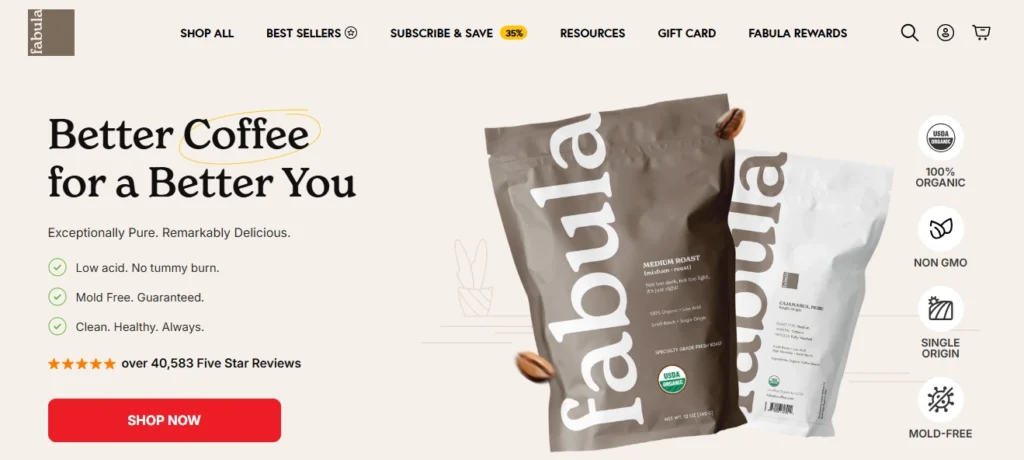
Best organic low-acid selection
Fabula tests each batch through AGQ Labs, an IAS-accredited independent laboratory.
Its current programme covers more than 350 chemical residues, four heavy metals, glyphosate and 12 mycotoxin types. Published results identify laboratory sample codes and detection thresholds.
Fabula sources high-altitude coffee from Peru, Mexico, Colombia and Ethiopia. Many offerings are grown above 2,000 metres.
The brand also carries USDA Organic certification and Non-GMO Project verification.
This is approachable coffee. Medium and dark roasts lean into chocolate, nuts and caramel. Acidity stays soft, which suits drinkers moving away from harsh supermarket dark roasts.
4. Danger Coffee
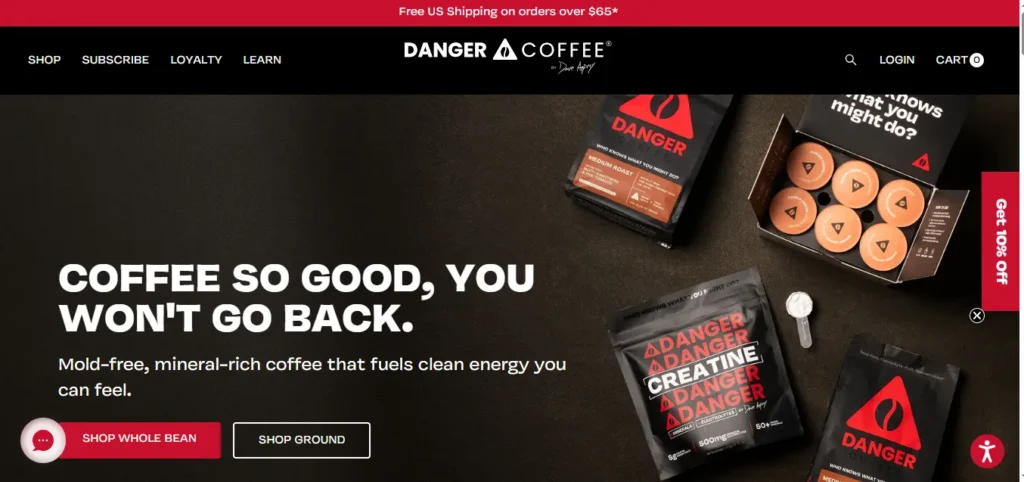
Best for broad chemical-residue screening
Danger Coffee states that every batch is tested through an IAS-accredited laboratory.
The testing includes mycotoxins, heavy metals and more than 500 chemical residues. Published testing information says ochratoxin A and other mycotoxins returned below the laboratory’s detection limits for the tested batches.
The coffee is specialty grade and sourced from Central America. Danger also adds fulvic and humic minerals after roasting. That part will either interest you or make you roll your eyes.
Ignore the mineral pitch for a moment. The medium roast itself is solid. It tastes like caramel, roasted nuts and pipe tobacco. The dark roast adds baker’s chocolate, molasses and smoky oak.
5. Purity Coffee
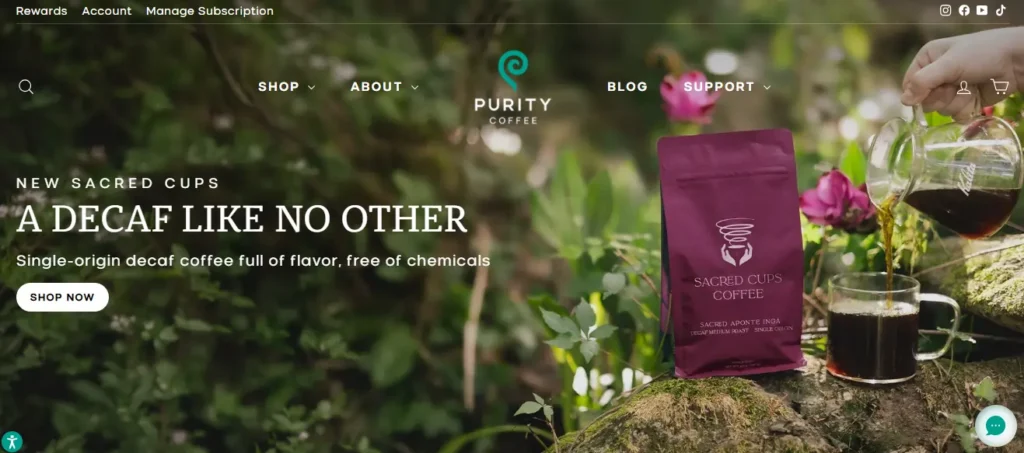
Best combination of certification and origin quality
Purity starts with USDA Organic specialty-grade Arabica. Many current releases also carry Smithsonian Bird Friendly, Rainforest Alliance or Demeter Biodynamic certification.
The company tests for mold, yeast, ochratoxin, aflatoxin, pesticides, heavy metals and several roasting contaminants.
Its public independent-testing page names respected laboratories. The weakness is timing. Much of the prominently published testing data dates back to 2016 and 2017 rather than the current crop.
The sourcing is excellent. One Colombian Caturra grows at roughly 7,050 feet and tastes like chocolate, red apple, citrus and caramel. A Honduran Biodynamic lot offers chocolate, butter, pear and brown sugar.
6. Lifeboost Coffee
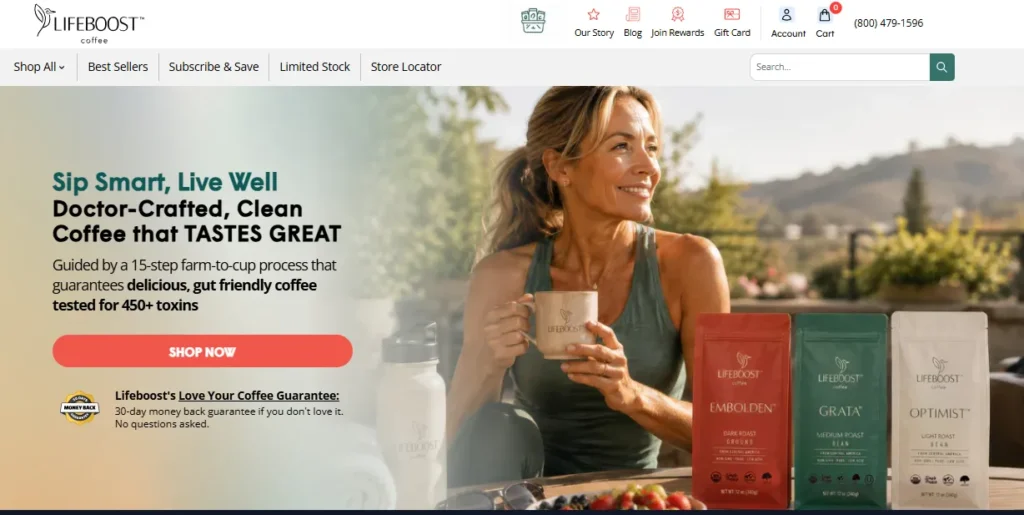
Best for low-acid variety
Lifeboost says its coffees undergo third-party testing for mycotoxins, mold, heavy metals, pesticides, glyphosate, acrylamide and more than 450 other substances.
Its core coffee is single-origin, shade-grown and sourced from high-elevation farms. The company describes its Nicaraguan coffee as growing around 5,700 feet near Mount Kilambé.
Testing claims are extensive. Public access to current, lot-matched reports is less straightforward than it is with Holistic Roasters or Natural Force.
The standard medium roast is mild and rounded. Expect earthy sweetness, nuts and a little chocolate.
Lifeboost also has one of the largest selections here, including light, dark, espresso, decaf, flavoured coffee and pods.
7. Kion Coffee
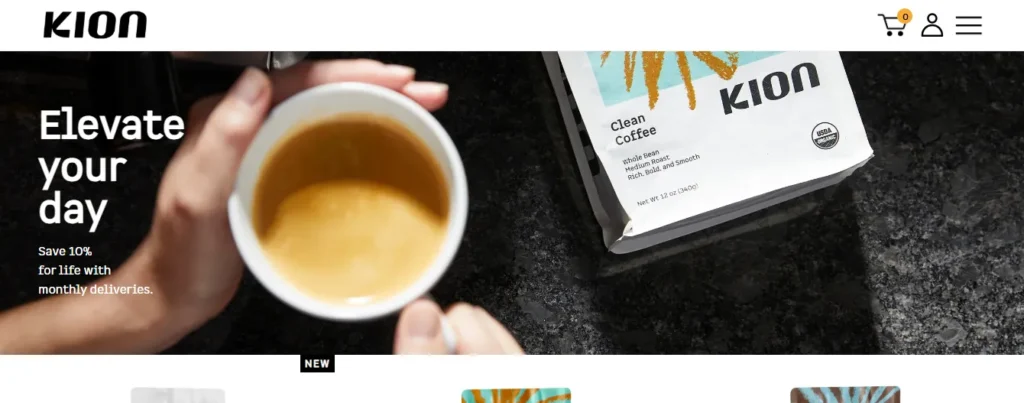
Best straightforward organic medium roast
Kion uses certified-organic, specialty-grade Arabica sourced from small producers and cooperatives in Honduras.
The company regularly tests its coffee for mold, mycotoxins and pesticides. However, it does not provide the same public, lot-specific COA library as the top-ranked brands.
Kion’s medium roast is one of the more distinctive coffees in this list. It tastes like sweet apple, marzipan, baking spices and dark chocolate as it cools.
The beans are nitrogen flushed within 24 to 48 hours after roasting. That helps slow oxidation during shipping, although nitrogen packaging cannot rescue coffee stored indefinitely.
8. Bulletproof Coffee

Best widely available option
Bulletproof helped turn mycotoxin-free coffee into a mainstream category.
Its beans are tested against a proprietary toxin panel. Green coffee falling outside the company’s specifications is rejected.
The problem is the word “proprietary.” Consumers cannot examine a detailed testing panel or match a public COA to the bag in their kitchen.
Bulletproof sources from organic, Rainforest Alliance Certified farms in Guatemala and Colombia. The Original medium roast tastes like cinnamon, plum and orange, followed by cocoa and hazelnut.
That is better than the brand’s butter-and-oil reputation suggests.
9. Peak Performance Coffee
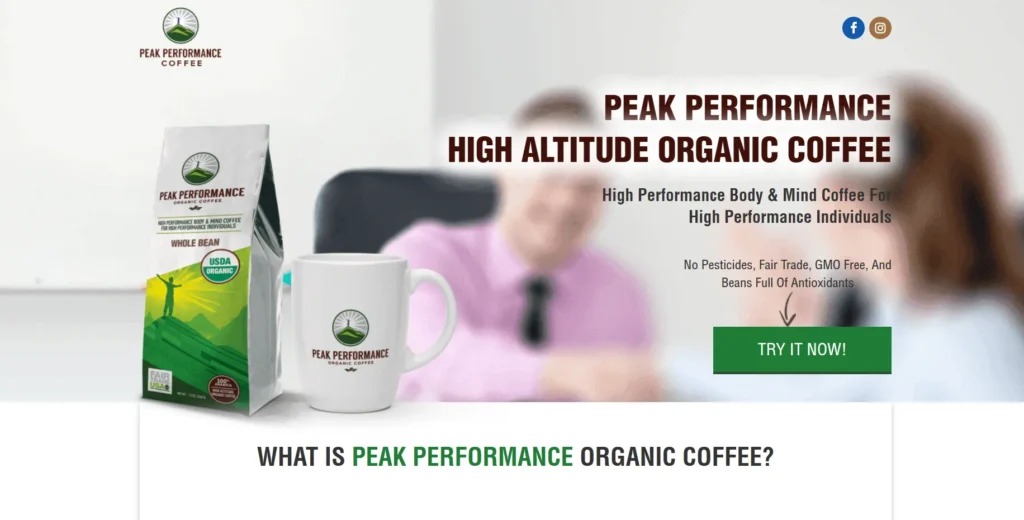
Best simple high-altitude organic coffee
Peak Performance sells single-origin coffee from the Guatemalan Highlands.
The beans are USDA Organic and Fair Trade certified. The company describes them as high-altitude, non-GMO and third-party tested.
Peak Performance reportedly shares testing reports when requested, but does not maintain an obvious public COA library. That keeps it below brands offering immediate access.
The medium roast is traditional. Expect balanced acidity, modest sweetness and a familiar cocoa-nut finish.
There is nothing wrong with that. Not every coffee needs to taste like fermented pineapple.
10. Clean Coffee Co
Best for dark-roast drinkers
Clean Coffee Co sells low-acid coffee from origins including Costa Rica, Papua New Guinea and Honduras.
Its product listings say the coffee is tested for mold, mycotoxins and harmful chemicals. However, I could not locate a current public COA or a clear explanation of the laboratory, testing frequency and detection limits.
That does not prove the testing is poor. It means the consumer cannot independently check it.
The Equatorial medium-dark roast tastes like milk chocolate, roasted almonds and vanilla. Canopy adds roasted nuts and toasted malt.
What Are Mycotoxins in Coffee?
Mycotoxins are compounds produced by certain molds.
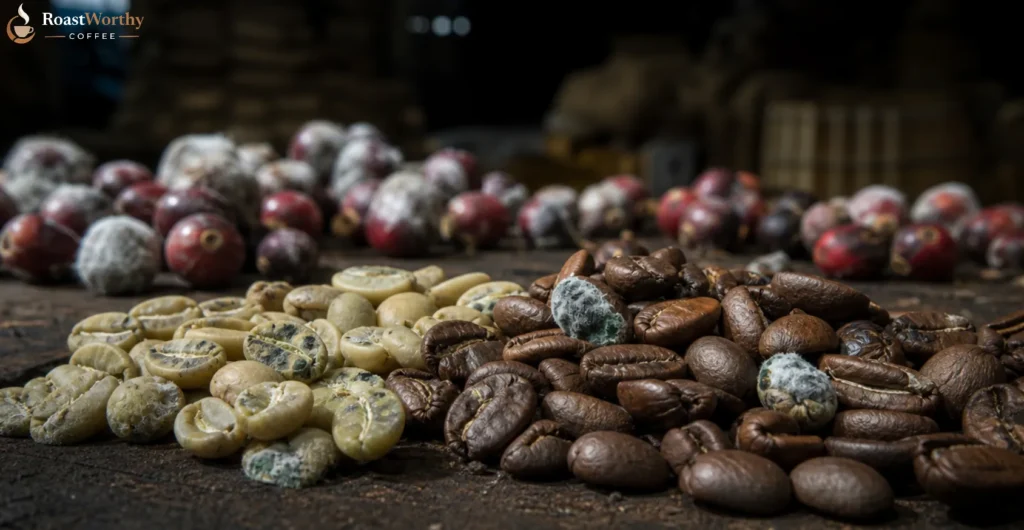
The main coffee-related concern is ochratoxin A, commonly shortened to OTA. It can form when coffee cherries or green beans are dried or stored under poor moisture conditions.
Aflatoxins receive plenty of attention too. They are less frequently associated with finished coffee, but a strong testing programme should still include them.
The FDA states that OTA can occur in coffee and commonly develops when food is not dried or stored correctly. The World Health Organization also identifies coffee beans as a possible source.
The European Union currently limits ochratoxin A in roasted coffee to 3 micrograms per kilogram. Standard commercial coffee sold legally should already fall below applicable food-safety limits.
Does Roasting Destroy Coffee Mycotoxins?
Roasting can reduce ochratoxin A, but the reduction is inconsistent.
Temperature, roast duration, bean density and contamination level all affect the result. Research reviews have reported reductions ranging from modest to substantial.
That is why testing clean green coffee matters more than trying to roast contamination away.
Here’s what the heat is actually doing: it breaks down some compounds, creates others and changes the bean’s physical structure. It is not a guaranteed purification system.
Why Published Certificates of Analysis Matter
A certificate of analysis gives you information a front-label claim cannot.
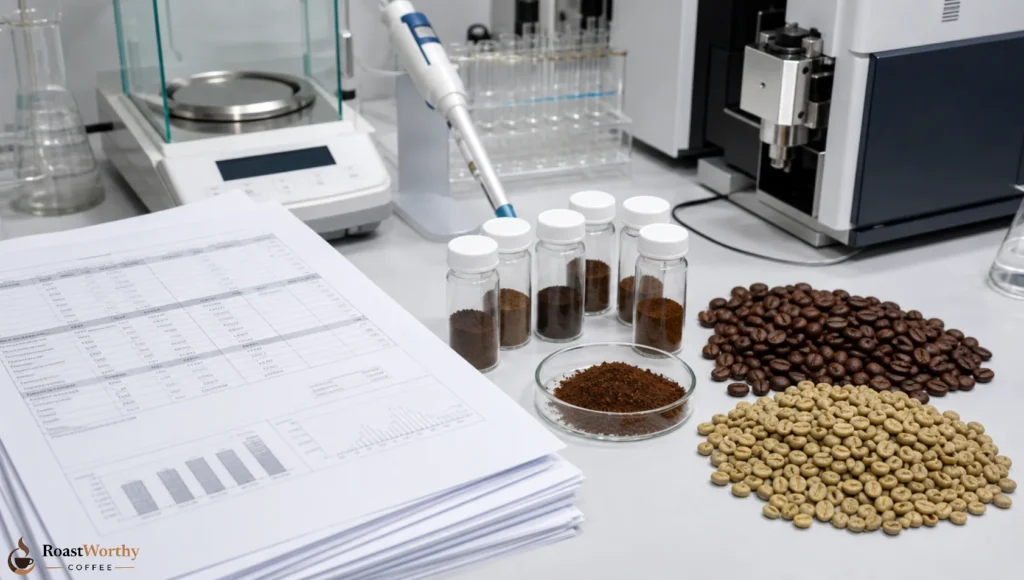
A useful COA should show:
“Not detected” only means the result fell below the method’s detection threshold.
For example, “<0.5 µg/kg” means the laboratory could not measure OTA above 0.5 micrograms per kilogram. That is far more useful than a badge saying “toxin-free.”
How to Verify a Mold-Free Coffee Claim
1. Ask for the current report
A five-year-old test does not describe the current harvest.
Ask for the report connected to the coffee being sold now.
2. Check the sample identity
The report should name a lot number, harvest, roast or product. A generic report for “coffee” proves very little.
3. Look for OTA and aflatoxins
A mold count alone is not a full mycotoxin test.
The panel should include ochratoxin A and aflatoxins B1, B2, G1 and G2.
4. Check the laboratory
Look for an independent laboratory operating under ISO/IEC 17025 or another recognised accreditation.
5. Read the detection limit
“Zero” without a detection limit is marketing.
A numerical result such as “<0.2 µg/kg” is real information.
6. Do not confuse organic with mold-free
USDA Organic certification covers approved farming and handling practices. It is not a mycotoxin certificate.
Organic plus independent laboratory testing is the stronger combination.
Frequently Asked Questions
What is the best mold-free coffee?
Holistic Roasters ranks first because it publishes current, harvest-specific laboratory reports for mycotoxins, heavy metals and microbiological contaminants.
Is all organic coffee mycotoxin-free?
No. Organic certification regulates farming and handling practices. It does not automatically prove that ochratoxin A or aflatoxins were tested.
Is regular coffee unsafe to drink?
Not generally. Commercial coffee must comply with applicable food-safety rules. Mycotoxin-tested coffee provides extra verification, not proof that all regular coffee is dangerous.
What does “not detected” mean on a coffee COA?
It means the tested compound was below the laboratory method’s stated detection limit. It does not prove absolute molecular zero.
Can you see or taste mycotoxins in coffee?
No. A coffee can look and taste normal while containing trace contamination. Laboratory analysis is the reliable verification method.
Does high-altitude coffee prevent mold?
No. High altitude may support slower cherry development and denser beans, but drying, storage, transport and moisture control remain more important for mold prevention.
Final Verdict
Holistic Roasters is the strongest choice for buyers who place testing transparency first. The company publishes recent, lot-specific COAs and connects them to identifiable harvests.
Natural Force comes close. Its Eurofins reports cover both green and roasted coffee.
Purity remains one of the strongest coffees for flavour and sourcing, but its public testing page needs newer batch documentation. Fabula offers a good middle ground, especially for drinkers seeking organic, low-acid coffee.
Do not pay extra for the phrase “mold-free” alone.
Pay for evidence. Taste the coffee. Write it down. Brew it again. ☕
More Recommendations from RoastWorthy Coffee