7 Best Espresso Machines Under $500: Barista-Tested Picks

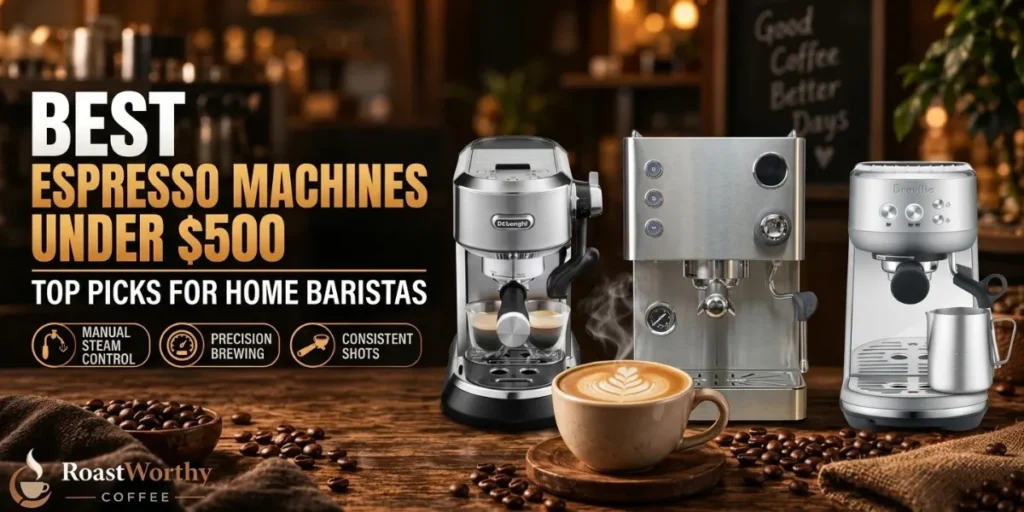
The best Espresso Machines Under $500 can produce genuinely good coffee. The catch is simple: the machine cannot fix stale beans, an uneven grinder, or careless puck preparation.
Spend intelligently. A stable brewing temperature, sensible pressure, and a usable steam wand matter more than twenty drink buttons.
My strongest overall pick is the Breville Bambino. It heats quickly, uses a proper 18-gram dose, and leaves money for a capable espresso grinder. The Turin Legato V2 is the stronger choice for baristas who want PID control and a 58mm portafilter.
Best Espresso Machines Under $500 Compared
| Espresso machine | Best for | Portafilter | Milk system | Typical price |
|---|---|---|---|---|
| Breville Bambino | Best overall | 54mm | Manual steam wand | $299.95 |
| Turin Legato V2 | Serious home baristas | 58mm | Commercial-style wand | $479 |
| Breville Bambino Plus | Lattes and cappuccinos | 54mm | Automatic steam wand | $499.95 |
| De’Longhi Dedica Maestro Plus | Compact kitchens | Compact system | Auto LatteArt wand | $499.95 |
| Flair 49 Pro | Manual espresso control | 49mm | None | $359 |
| De’Longhi Dedica Duo | Hot and iced drinks | Compact system | Manual steam wand | $249.95 |
| De’Longhi Stilosa | Tight budgets | Entry-level system | Manual frother | $149.95 |
Prices were checked against current US listings. Retail discounts and color options may change the final price.
1. Breville Bambino: Best Espresso Machine Under $500 Overall
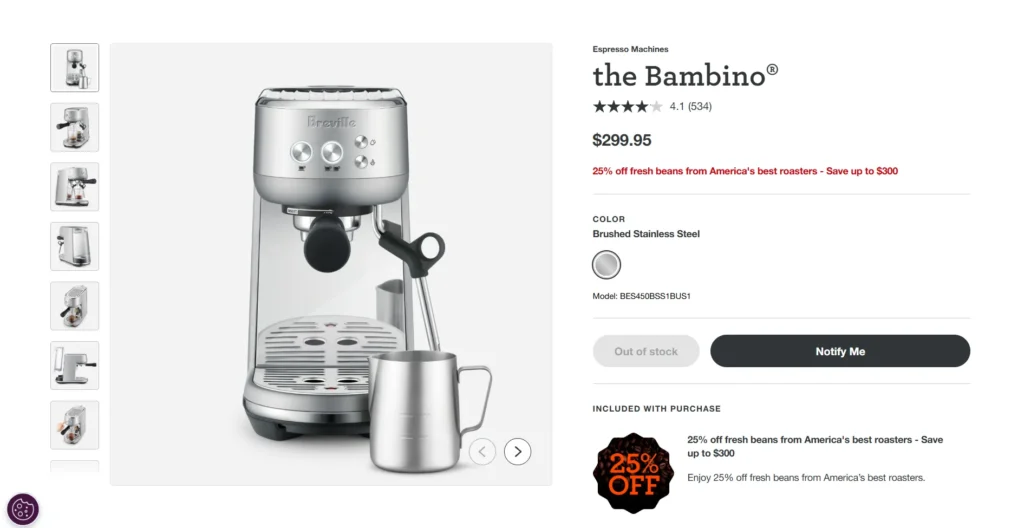
The regular Bambino is the machine I would buy with my own $500 budget.
It sells for $299.95. That leaves roughly $200 for an espresso-capable grinder, which will improve your coffee more than automatic milk texturing.
Breville uses a 54mm portafilter designed around an 18-gram dose. Its ThermoJet heating system reaches operating temperature in about three seconds.
The machine also uses low-pressure pre-infusion before pushing water through the puck at roughly nine-bar extraction pressure.
That matters.
A box shouting “15-bar pump” tells you the pump’s maximum rating. It does not mean your coffee should brew at 15 bar. Proper espresso generally needs much less pressure at the coffee puck.
What the Bambino gets right
The lightweight body does not feel luxurious. The drip tray is small. You will empty it often.
Still, the coffee is the point. The Bambino gets that part right. ☕
2. Turin Legato V2: Best for Serious Home Baristas
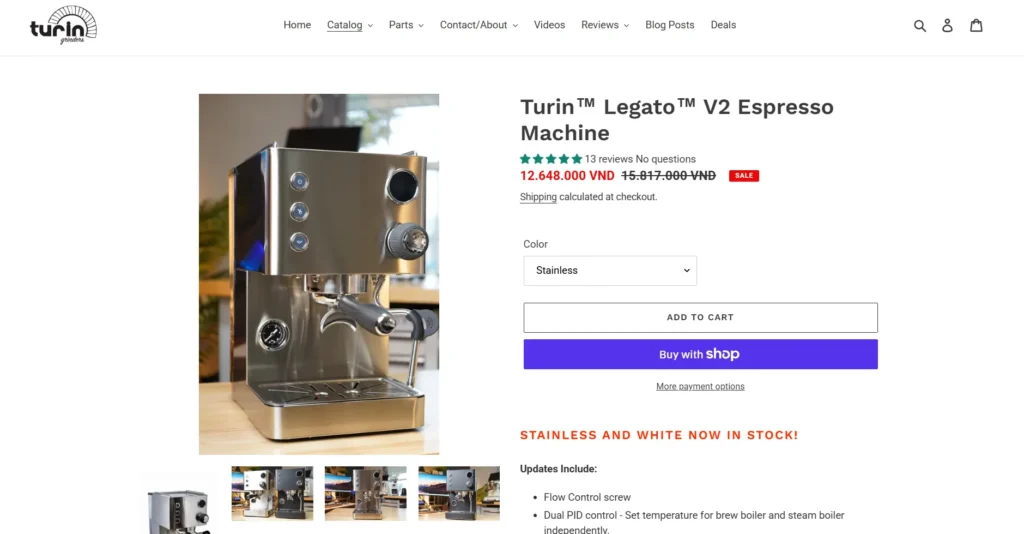
The Turin Legato V2 packs an almost ridiculous feature list into its $479 sale price.
You get a 550ml stainless steel brew boiler, a separate thermoblock for steaming, dual PID control, adjustable pre-infusion, and an adjustable over-pressure valve.
You also get a full-size 58mm stainless steel portafilter.
That opens the door to widely available precision baskets, tampers, puck screens, dosing funnels, and bottomless portafilters.
This is the most technically capable semi-automatic espresso machine in this ranking.
The PID range runs from 85°C to 102°C. That gives you room to lower temperature for darker coffee or push hotter water through stubborn light roasts.
Here’s what the heat is actually doing. Hotter water extracts coffee faster. Cooler water slows extraction and can reduce harshness in darker beans.
The Legato takes around five minutes to heat properly. That is still quick for a boiler-based machine.
Its weakness is brand support. Breville and DeLonghi have much larger service networks. Turin buyers are accepting more risk for better hardware.
For an enthusiast comfortable troubleshooting small workflow issues, this one earns its price.
3. Breville Bambino Plus: Best for Lattes and Cappuccinos
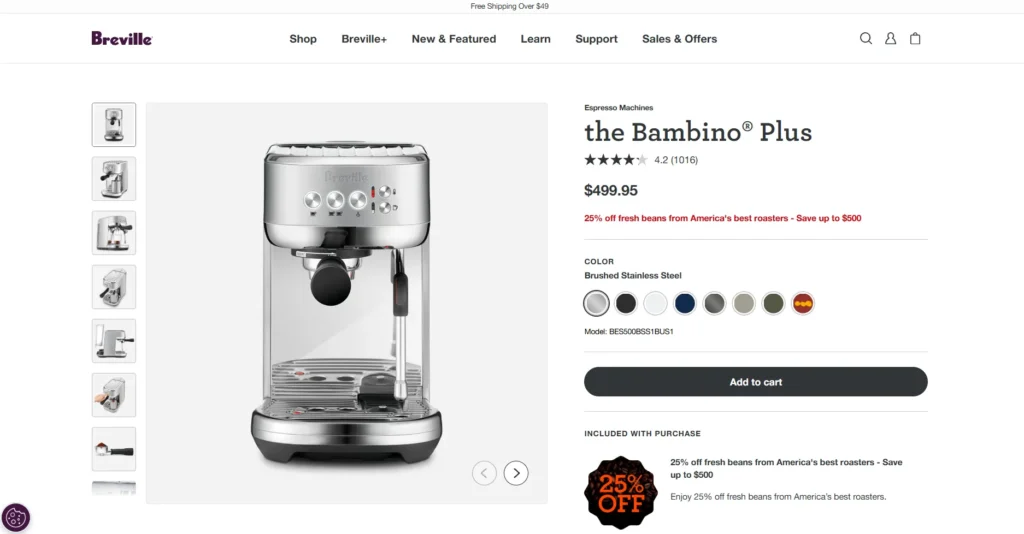
The Bambino Plus costs $499.95, landing almost exactly on the budget ceiling.
Its headline feature is the hands-free automatic steam wand. You can select three milk temperatures and three texture levels.
Place the pitcher on the sensor. The machine steams the milk and stops at the selected temperature.
That makes it one of the best home espresso machines under $500 for people who drink lattes every morning.
The Bambino Plus uses the same basic 54mm, 18-gram brewing format as the regular Bambino. It also heats in about three seconds and uses low-pressure pre-infusion followed by nine-bar extraction.
The espresso is not meaningfully better than the cheaper Bambino.
You are paying the extra $200 for automatic milk, a larger body, and a smoother workflow.
Buy it for cappuccinos, flat whites, and oat-milk lattes. Straight-espresso drinkers should save the money.
4. De’Longhi Dedica Maestro Plus: Best Compact Premium Pick
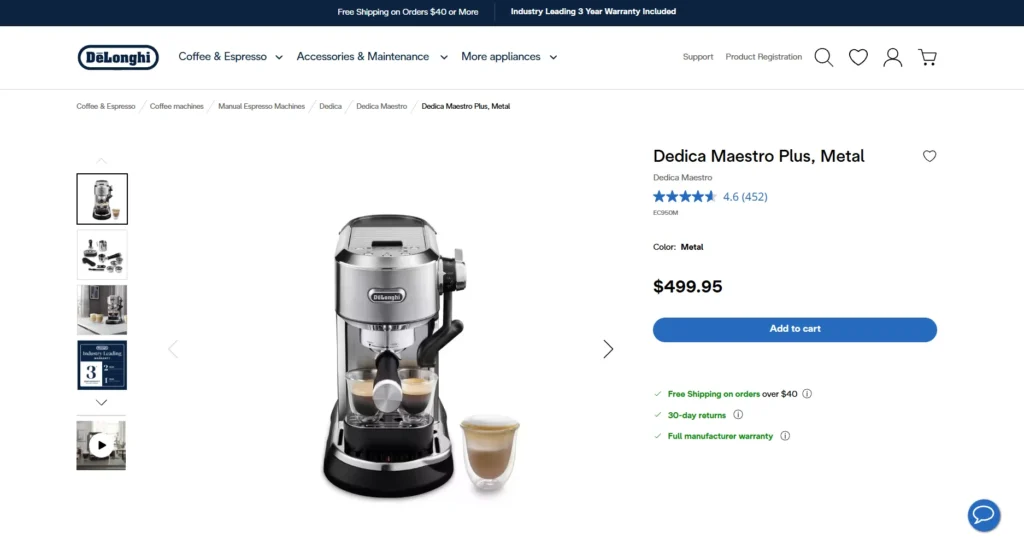
The Dedica Maestro Plus is only 8.15 inches wide. That is the main reason to buy it.
Small machines usually make you choose between counter space and useful milk performance. De’Longhi avoids that compromise with its Auto LatteArt steam wand.
You get three milk temperatures and three foam settings. The machine also includes three brewing temperature options.
Its 15-bar Italian pump provides lower-pressure pre-infusion before extraction at the coffee puck. The thermoblock reaches brewing temperature within seconds.
The included baskets support doses up to 20 grams. Both single-wall and double-wall options come in the box.
This is the strongest compact espresso machine for someone who wants automatic milk without buying a bulky appliance.
At $499.95, value is less convincing. The Bambino Plus produces a similar experience, while the Turin offers much deeper manual control.
The Dedica wins on width. For a narrow apartment counter, that may settle the argument immediately.
5. Flair 49 Pro: Best Manual Espresso Machine
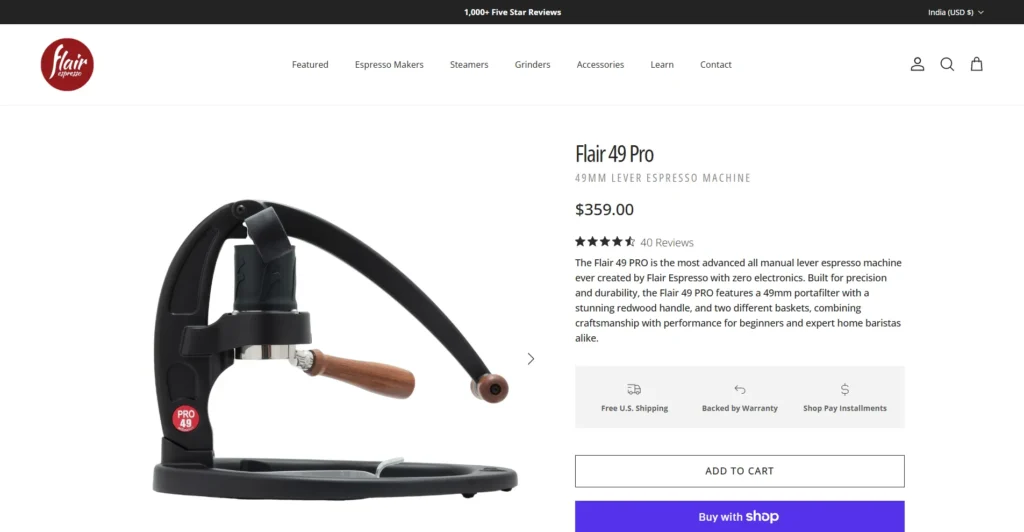
No pump. No boiler. No plug.
The Flair 49 Pro uses a direct lever, so your arm creates the brewing pressure. An integrated gauge shows when you reach the six-to-nine-bar espresso range.
That manual control is not a gimmick. You can gradually increase pressure, hold it, or taper the shot near the end.
This is pressure profiling without electronics.
The 49mm basket accepts doses from 12 to 20 grams. Its 90ml chamber can produce up to 55ml of espresso.
The brewing path is stainless steel. A pressurized basket helps beginners, while the bottomless basket gives experienced users full control.
The drawback is milk.
There is no steam wand, so latte drinkers need a separate frother or stovetop steamer. You also need a kettle and a capable grinder.
Preheating the brewing cylinder takes more work than pressing a button. Still, the Flair can produce thick, sweet espresso with excellent texture.
The curve doesn’t lie. Neither does the pressure gauge. ⚗️
6. De’Longhi Dedica Duo: Best for Hot and Iced Espresso
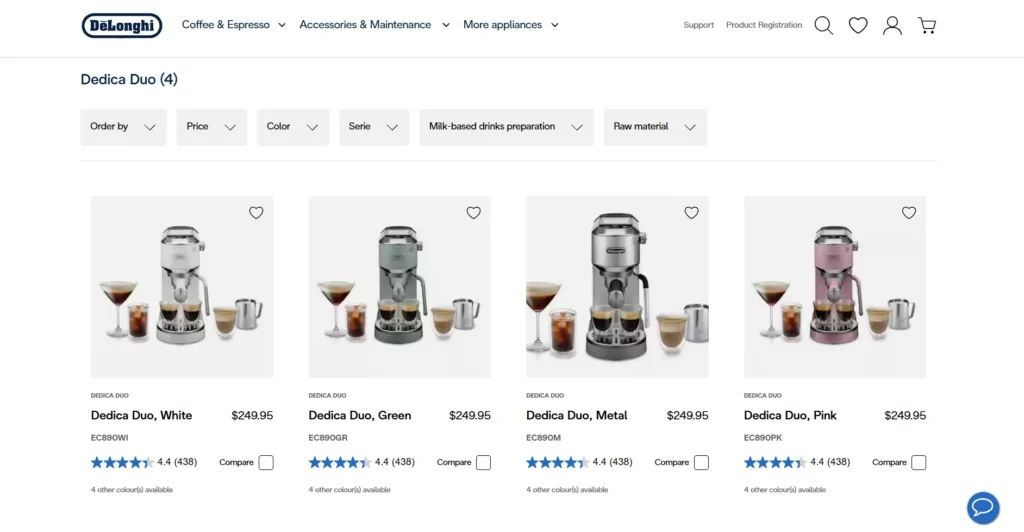
The Dedica Duo costs $249.95 and targets people who split their week between hot espresso and iced coffee.
It includes dedicated hot espresso and cold drink functions, a digital touch panel, and a commercial-style manual steam wand.
The body remains compact. That makes the Duo easier to fit beside a grinder, kettle, and coffee scale.
This is not a traditional cold-brew machine in the immersion sense. It adjusts the brewing process to produce coffee intended for serving over ice.
The Duo is simpler than the Maestro Plus. There is no automatic milk system, and serious home baristas may eventually want greater temperature control.
Still, it occupies a useful middle ground.
It costs less than the Bambino, looks cleaner than most budget machines, and offers more drink flexibility than the old Dedica format.
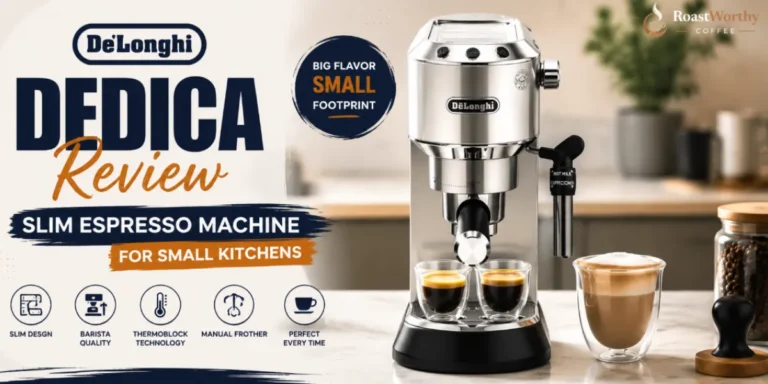
Read our full De’Longhi Dedica review before choosing between the Duo and the cheaper EC680.
7. De’Longhi Stilosa: Best Espresso Machine Under $150
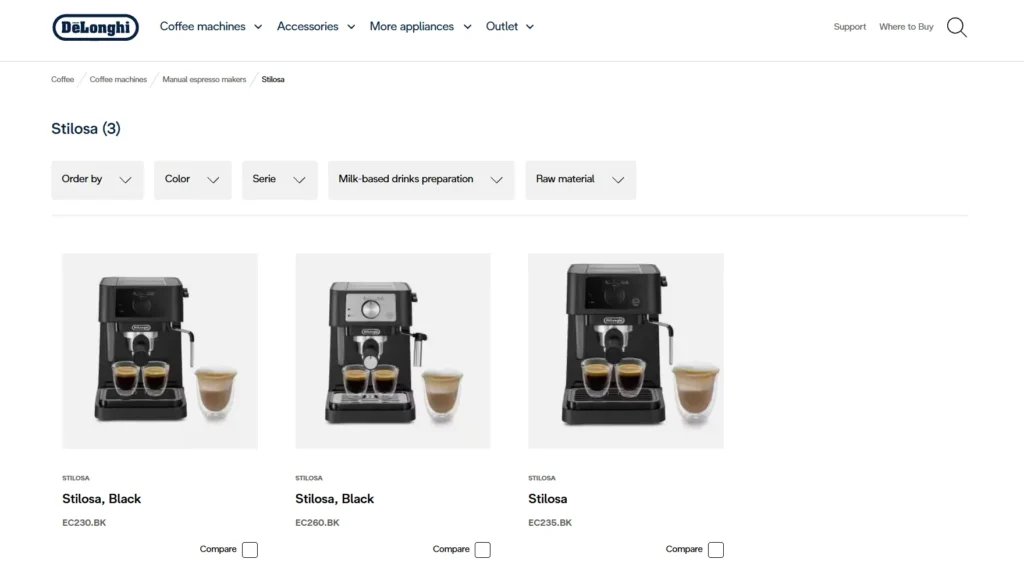
The Stilosa costs $149.95. Expectations need to stay realistic.
You get a 15-bar pump, a stainless steel boiler, a manual steam wand, and baskets for single or double espresso.
You do not get PID temperature control, a commercial portafilter, or powerful café-style steaming.
The included pressurized baskets are forgiving. They can produce crema with supermarket coffee or a basic grinder.
Switching to an aftermarket non-pressurized basket raises the machine’s ceiling. It also exposes every weakness in your grinder.
The steam wand can handle a small cappuccino. It struggles with large pitchers and repeated drinks.
The Stilosa is a sensible first machine, not a forever machine.
Pair it with fresh medium-roast coffee. Use a 1:2 ratio, such as 16 grams in and 32 grams out. Aim for roughly 25 to 32 seconds.
Taste it. Write it down. Brew it again.
What About the Gaggia Classic Pro?
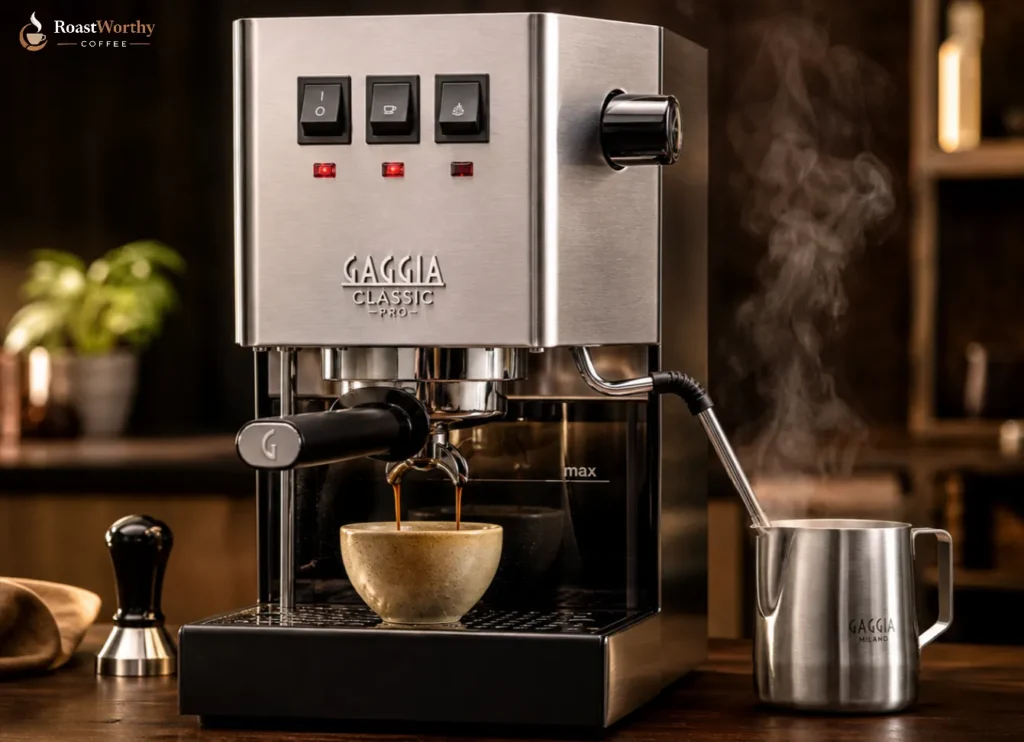
The Gaggia Classic has long been the default recommendation near this price.
That advice needs updating.
The current Gaggia Classic Pro E24 starts at $549 in stainless steel. Other colors cost more. It no longer qualifies as one of the best espresso machines under $500 at regular price.
It remains worth watching during major sales.
The E24 uses a lead-free brass boiler, a 58mm portafilter, nine-bar over-pressure calibration, and a commercial two-hole steam wand.
At $499 or less, it becomes a strong alternative to the Turin Legato. At $549, the absence of factory PID control is harder to ignore.
Espresso Machine Buying Guide: What Matters Below $500?
Spend Enough on the Grinder
A $479 machine paired with a blade grinder will make worse espresso than a $299 Bambino paired with a proper burr grinder.
Espresso needs tiny grind adjustments. One step can change a shot from 18 seconds to 35 seconds.
Budget at least $150 to $250 for the grinder. Our best coffee grinders of 2026 guide includes models suited to fine espresso adjustment.
Ignore Maximum Pump Pressure
Many affordable machines advertise a 15-bar pump.
That number is not the brewing target.
The pump needs extra capacity to move water through the system. Good espresso normally extracts near nine bar, with lower pressure during pre-infusion.
Check the Portafilter Size
A 58mm portafilter gives you the widest accessory selection.
Breville’s 54mm system is smaller but well supported. It also produces a deeper coffee bed, which can be forgiving at an 18-gram dose.
Small proprietary baskets restrict upgrades. Check basket availability before buying.
Match the Steam Wand to Your Drinks
Drink straight espresso? Prioritize temperature control.
Make one latte each morning? A manual steam wand is fine.
Prepare several milk drinks? Automatic milk or stronger steam power will save time and frustration.
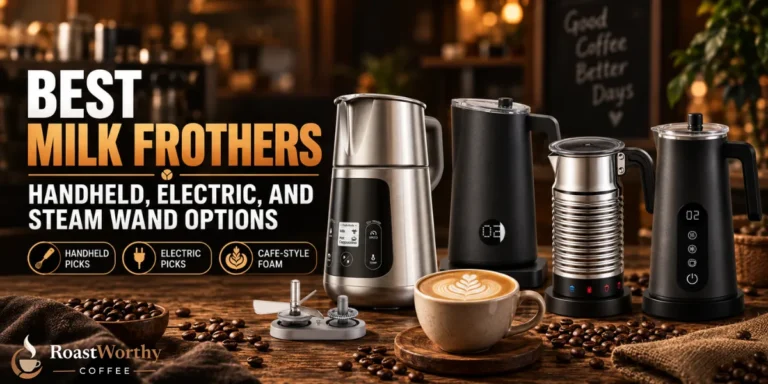
Our best milk frothers guide covers separate options for machines like the Flair.
Leave Room for Basic Tools
A usable home espresso setup needs more than the machine:
Do not spend the full $500 on the machine and then measure coffee with a plastic scoop.
Frequently Asked Questions
What is the best espresso machine under $500?
The Breville Bambino is the best overall option. It produces strong espresso, heats in three seconds, and leaves room in the budget for a grinder.
Can a $500 espresso machine make café-quality coffee?
Yes. Fresh beans, a precise grinder, an accurate dose, and good puck preparation matter more than luxury body panels.
Is Breville or DeLonghi better for home espresso?
Breville generally offers a stronger espresso-focused workflow. DeLonghi is excellent for narrow counters, pressurized baskets, and beginner-friendly milk drinks.
Is a semi-automatic espresso machine good for beginners?
Yes. Semi-automatic machines teach dosing, grinding, tamping, extraction, and milk texturing without requiring full manual pressure control.
Do I need a grinder for an espresso machine?
Yes, unless you plan to use pressurized baskets and pre-ground coffee. A proper burr grinder gives you far greater control and fresher flavor.
Is a 15-bar espresso machine better than a nine-bar machine?
No. Fifteen bar usually describes maximum pump capacity. Espresso is commonly extracted near nine bar at the puck.
Final Take
Espresso machines below $500 are better than their low prices suggest. Fast thermoblocks now compete with traditional boilers. Automatic steam wands have improved. PID control is appearing in machines that once offered little more than an on switch.
The remaining limit is not pressure. It is consistency.
Fresh coffee, an accurate grinder, measured doses, and repeatable puck preparation decide what reaches the cup. A costly machine cannot rescue careless inputs.
Start with 18 grams. Target 36 grams out. Record the time and taste the result. Make one adjustment.
That routine builds better espresso than chasing another upgrade.
More Recommendations from RoastWorthy Coffee