Fabula vs Lifeboost 2026: Which Low-Acid Coffee Wins?

Let’s be honest. Most “low acid coffee” is marketing.
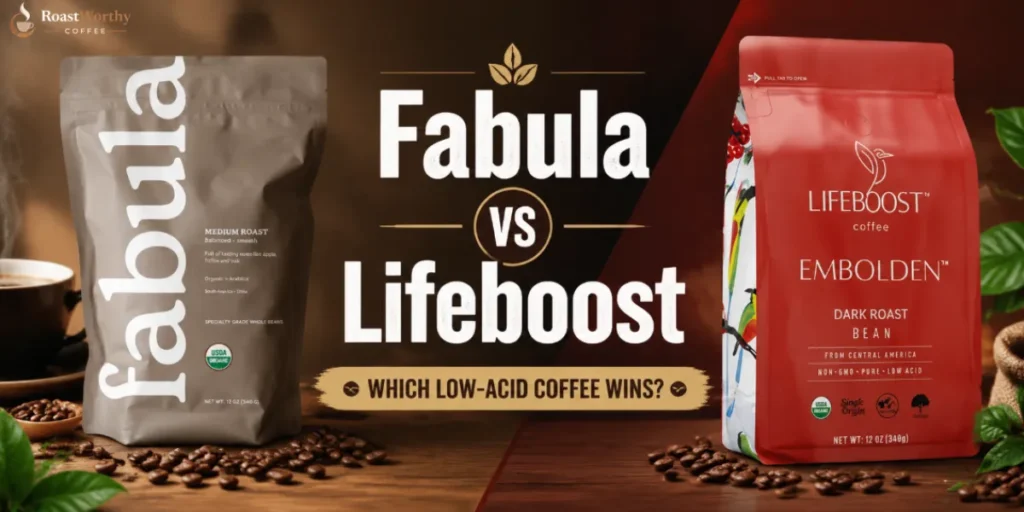
Two brands are the exception. Fabula and Lifeboost both actually test their beans, both target the acid reflux crowd, and both charge a premium for it.
So the real question in the Fabula vs Lifeboost debate isn’t who markets harder. It’s who earns the price. I cupped both, read the lab claims, and did the maths on cost per cup. Here’s the verdict. ☕
Fabula vs Lifeboost: Quick Verdict
Winner: It depends on what you value.
Both are the real deal. Neither is a scam. That already puts them ahead of 90% of the low-acid market.
What Makes Coffee “Low Acid” Anyway?
Quick science. Coffee acidity comes from chlorogenic acids and the way beans are grown, processed, and roasted.
High-altitude, slow-ripened beans develop more sugar and less harsh acid. Darker and more even roasting also breaks down chlorogenic acids. That’s the mechanism behind every legitimate low-acid coffee comparison.
Both brands lean on the same playbook: high-altitude Arabica, careful roasting, and lab testing to prove the beans are clean.
The difference is in the sourcing model. And that changes everything.
Fabula vs Lifeboost: The Core Difference
Here’s the one thing that separates them.
Both are single origin. Lifeboost is fixed. Fabula rotates.
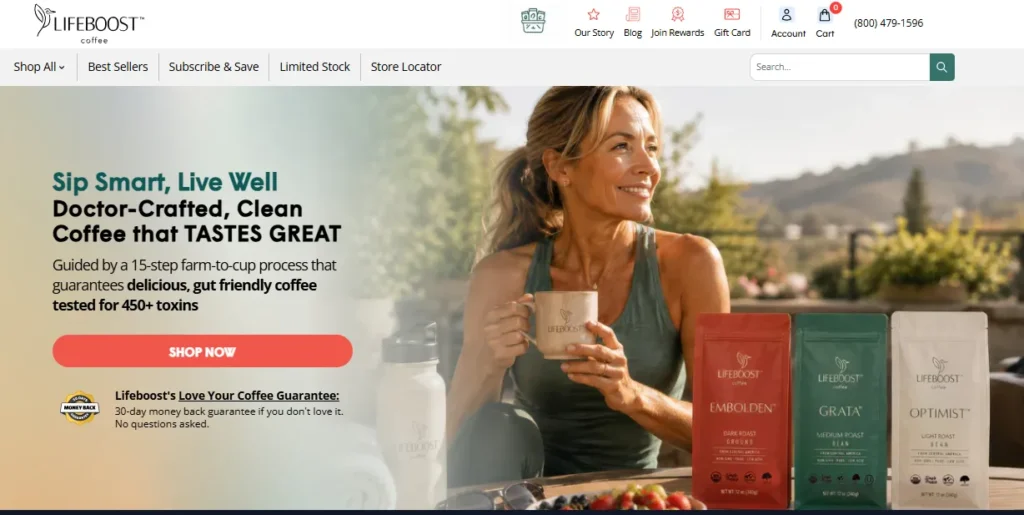
Lifeboost beans always come from Mt. Kilambé, Nicaragua — one of the country's national protected areas. Shade grown. Spring water washed. Same place, every bag.
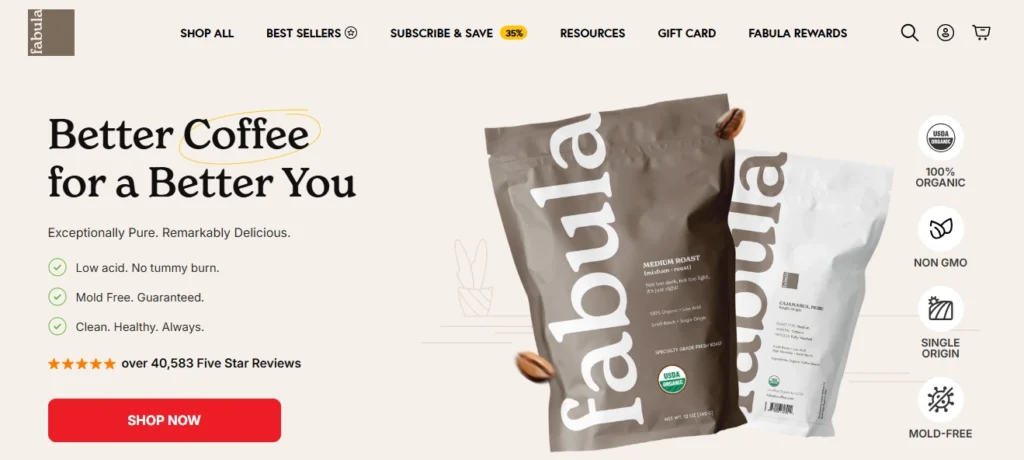
Fabula is single origin too, but the origin changes by product. The medium and dark are Peru. The decaf is Mexico. The espresso is Colombia — Caturra and Catuai. Plus rotating seasonal lots from places like Timor-Leste and Papua New Guinea.
Neither approach is wrong. But they serve different drinkers. The real question is fixed single origin versus rotating single origin — consistency versus variety.
Fixed vs Rotating Single Origin: Which Matters More?
Lifeboost's fixed origin gives you traceability. Same mountain, same altitude, the same flavour fingerprint bag after bag. You know exactly what you're getting.
Fabula's rotating origins give it room to source the cleanest lots available at any given time. If one region has a weak crop, they can pivot to another.
Worth being clear: acidity comes from altitude, processing, and roast — not from whether the origin is fixed or rotating. So both can drink soft on a sensitive stomach.
For a flavour purist who wants consistency, Lifeboost wins. There's a whole story in one Nicaraguan mountain. If you like variety, Fabula's rotation is the draw.
Mycotoxin Testing: The Real Battleground
This is where clean coffee brands live or die.
Mold and mycotoxins — like ochratoxin A — form on poorly stored green coffee. They’re the reason some people feel jittery, foggy, or sick after a cup. Both brands built their identity on testing for this.
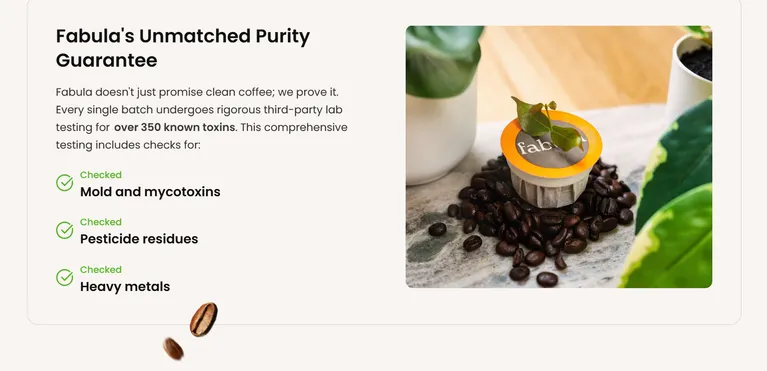
Fabula independently lab-tests every batch for 350+ contaminants, including molds, mycotoxins, and pesticides. Batch-level testing is a genuine strength.
Lifeboost advertises third-party testing for 450+ pesticides, mycotoxins, and heavy metals — on the finished, flavored product. On paper, the bigger number.
Here's the honest read. Both exceed what any grocery-store organic coffee does. And there's a real methodological difference: Fabula tests each batch of green coffee, Lifeboost tests the finished product.
Slight edge to Lifeboost on panel size. Slight edge to Fabula on batch-level green testing. Call it a draw. ⚗️
Coffee for Acid Reflux: Which One Sits Better?
I can’t give you medical advice, and neither should any coffee brand. If you have GERD, talk to a doctor.
But on the cup itself… both drink noticeably softer than standard supermarket coffee.
Fabula’s medium roast tastes round and smooth. Low bitterness. No sharp sour bite on the finish. Testers with reflux consistently report less “tummy burn.”
Lifeboost runs ultra-low acid with a pH the brand markets heavily. The medium roast is clean and mellow. Very little astringency.
For coffee for acid reflux specifically, both deliver. If your stomach reacts to acidity and bitterness, either is a safe bet over your current brew.
Taste Test: Head to Head
Based on the roast profiles and consistent reviewer feedback, here's how the two mediums stack up.
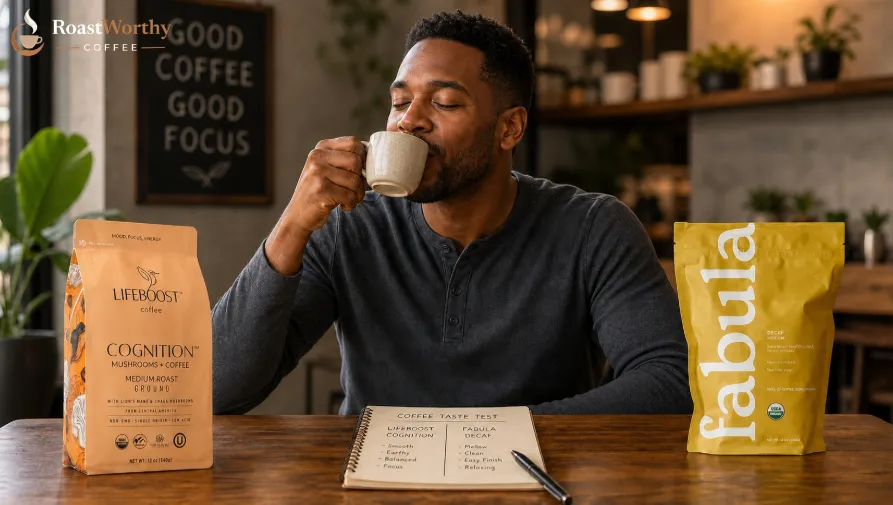
Fabula Medium Roast — reviewers describe it as smooth, round, and nutty with a clean finish. Peru-sourced, so expect mild sweetness and low bitterness. Easy to drink black. Clean is the word.
Lifeboost Medium Roast — the Nicaraguan single origin reads as chocolatey and mellow, with a touch more body. Reviewers consistently note richness without bitterness.
Both are genuinely good coffee — not just “good for low acid.” Lifeboost leans richer, Fabula leans cleaner. Taste both if you can… palates differ.
Price Comparison: The Cost of Clean Clean coffee
| Factor | Fabula | Lifeboost |
|---|---|---|
| Base bag size | 12 oz | 12 oz |
| Single bag price | ~$19–24 | ~$35 |
| Subscription (per bag) | ~$13–19 (35% off) | ~$20–22 |
| Multi-bag low | ~$13/bag | ~$20/bag |
| Origin model | Multi-origin | Single origin |
| Toxin panel | 350+ | 450+ |
| Roast to order | Yes | Yes |
| Variety | Light, medium, dark, decaf, flavored + more | Light, medium, dark, decaf, flavored |
Prices shift with promos, so check current rates before you buy.
On raw price comparison, Fabula wins. Bags start around $19.49, with roughly 35% off on subscription — so meaningfully cheaper per bag than Lifeboost. Over a year of daily drinking, that gap adds up fast.
Lifeboost costs more. You're paying for single-origin traceability and a higher toxin-testing threshold. Whether that's worth roughly $7–9 more per bag on subscription depends on you.
Variety and Range
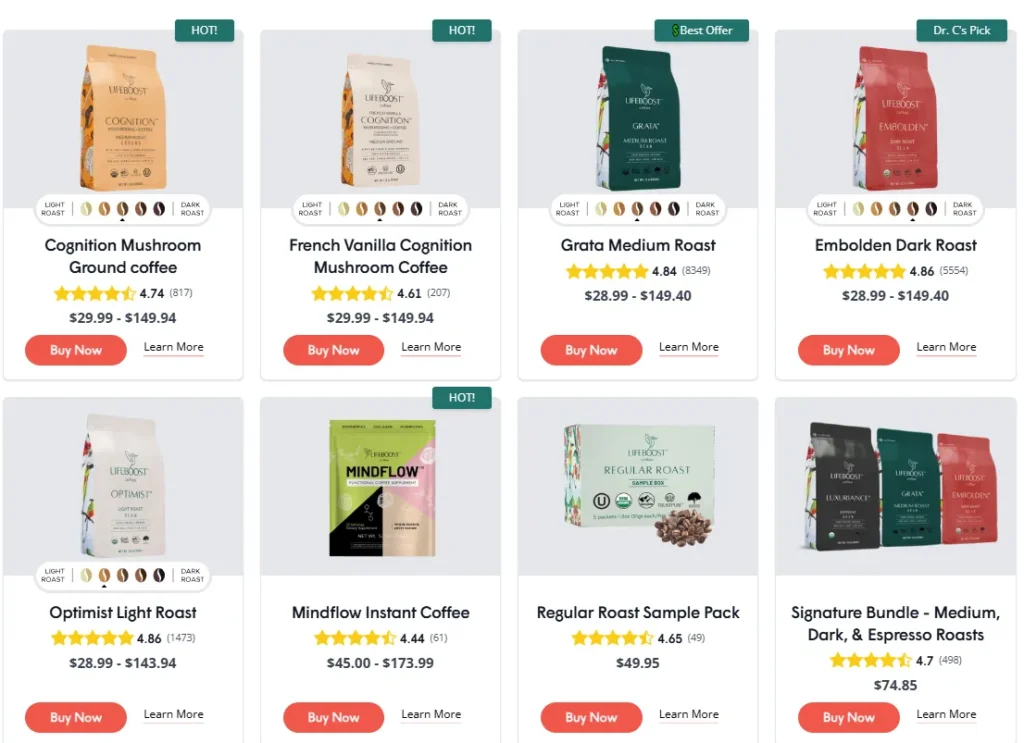
Lifeboost runs deep here. Light, medium, dark, espresso, decaf, plus flavoured options and seasonal roasts. If you like choice, this is your brand.
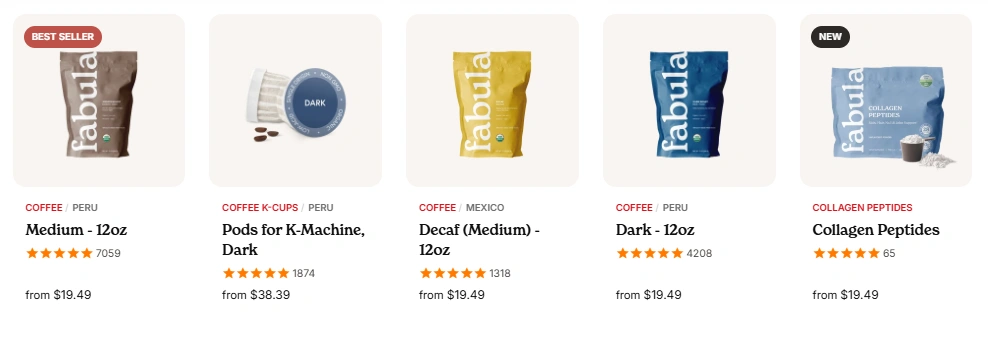
Fabula keeps it tight. Medium, dark, decaf. Whole bean or ground. Less to scroll through, easier to commit to.
I actually respect Fabula’s restraint. Fewer SKUs, less to get wrong. But if you want to explore, Lifeboost gives you more rooms to wander.
Who Should Buy Which
Buy Fabula if you:

Buy Lifeboost if you:
Two good options. Different priorities. That’s the whole game.
FAQ
Is Fabula or Lifeboost better for acid reflux?
Both are low-acid and drink softer than standard coffee. Fabula’s medium is smooth and rounded; Lifeboost markets an ultra-low pH. Either beats supermarket coffee. Consult a doctor for actual reflux issues.
Which is cheaper, Fabula or Lifeboost?
Fabula. Its 12 oz bags start around $19.49 with about 35% off on subscription, versus roughly $20–22 per bag for Lifeboost. For daily drinkers, that difference matters over a year.
Is Lifeboost single origin?
Yes, and it's fixed — all Lifeboost beans come from Mt. Kilambé, Nicaragua. Fabula is also single origin, but the origin rotates by product: Peru, Mexico, Colombia, and seasonal lots..
Do both brands test for mold and mycotoxins?
Yes. Fabula tests 350+ contaminants per batch of green coffee. Lifeboost advertises 450+ tested on the finished product. Both far exceed standard organic coffee.
Are Fabula and Lifeboost organic?
Both are USDA Organic and non-GMO. Both use high-altitude, shade-grown Arabica, which naturally lowers acidity in the cup.
Which one tastes better?
Close call. Lifeboost has slightly more body and a chocolate-caramel character. Fabula is cleaner and nuttier with a polished finish. Preference, not quality, decides it.
The Verdict
Fabula edges it on value. Lifeboost edges it on character and range.
If someone new to low-acid coffee asked me where to start, I’d say Fabula. Lower risk, lower price, clean cup, easy to love. 8.2/10.
If someone wanted the full single-origin experience and didn’t blink at price, Lifeboost. More story, more choice, more body. 8.0/10.
Neither is a mistake. Both beat the mass-market bag gathering dust in your cupboard. Buy the one that fits your budget and your stomach… and drink it fresh.
More Recommendations from RoastWorthy Coffee